

 English
 Español

Animal Dolls: Types, Features, and Material Options
What Are Animal Dolls?
Animal Dolls are toys modeled on real or imaginary animals. Some use a plain silhouette. Others are cartoon characters, or carry enough detail to point to a particular species. Most are made of plush fabric with a soft filling, and some add clothing, accessories or other decoration.
Cats, dogs, rabbits, bears, pandas, monkeys, foxes and farm animals are the common choices. Body proportions, expressions, colors and surface textures can all be changed to give each one a different feel.
What Are the Features of Animal Dolls?
An animal doll pairs a recognizable animal design with material and construction choices that shape its look and handling. The main features change with the style and the use.
- Animal-Inspired Shapes and Details: Shape comes first. Long ears point to a rabbit. Pointed ears and a curved tail suggest a cat. A dog can be given different ear shapes, muzzle lengths and body proportions.
- Expression adds character. Embroidered eyes, a nose and a mouth give a simple, friendly face. Color combinations and small decorative touches can make one animal look realistic, cartoonish or playful.
- Soft Fabrics and Different Textures: Fabric sets the surface look and feel. Short plush gives a smooth, even finish. Long plush has a deeper pile and looks fuller. Velboa and other suitable fabrics offer different textures or finishes.
- The right pick depends on the design, the target age group, the use, the care needs and the product requirements that apply. Also consider how the fabric behaves when it is cut, sewn, filled and finished.
- Filling and Shape Retention: Filling gives the doll its volume and body shape. Polyester fiberfill is widely used because it can be spread through the body to reach different levels of softness and fullness.
- Amount and placement change the finished shape. A small, compact doll needs a different approach from a bigger one with long limbs or ears. Even filling and careful shaping keep finished pieces looking alike.
- Colors, Expressions, and Decorative Details: Colors can follow the real animal or be invented for a character. Embroidered faces, contrasting fabric panels, clothing, ribbons and other accessories add interest.
- Decoration should suit the use and the construction requirements. For toys aimed at young children, small detachable parts and similar hazards need particular care. Check suitability against the safety requirements for the target market.
- Different Sizes and Construction Styles: Animal dolls run from miniature figures to large plush companions. Proportions can be compact, round or long, depending on the animal's features.
- Size affects fabric use, stitching, packaging and how the toy is displayed or handled. Plan construction around the chosen shape so that seams, filling and attached details work together.
What Types of Animal Soft Toys Are Available?
Animal Soft Toys come in many categories. The animal, size, surface texture and character style set one product apart from another.
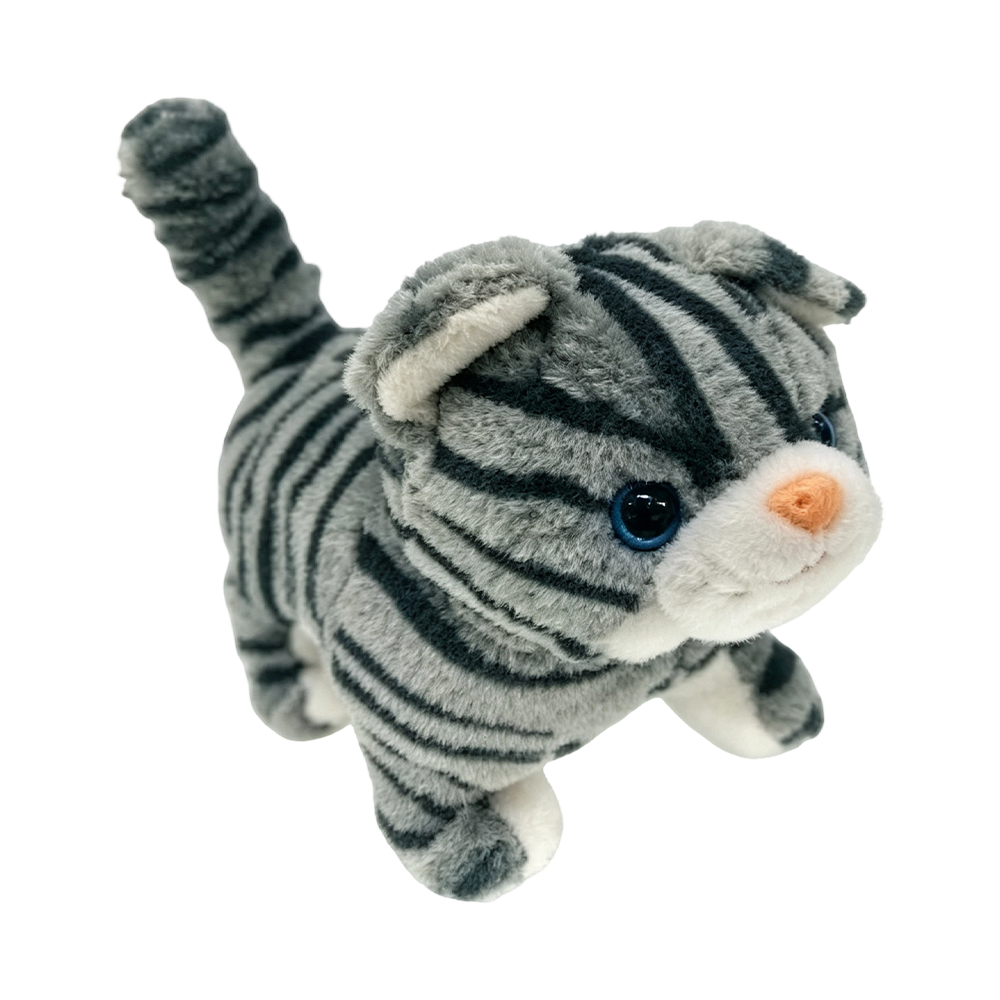
- Cat Plush Dolls: Cat dolls may have pointed ears, whiskers, round faces, long tails or varied coat patterns. They run from simple cartoon cats to tabby, white, black and other familiar looks. Mini cat plush toys tend to have compact proportions, while larger ones can carry more body detail.
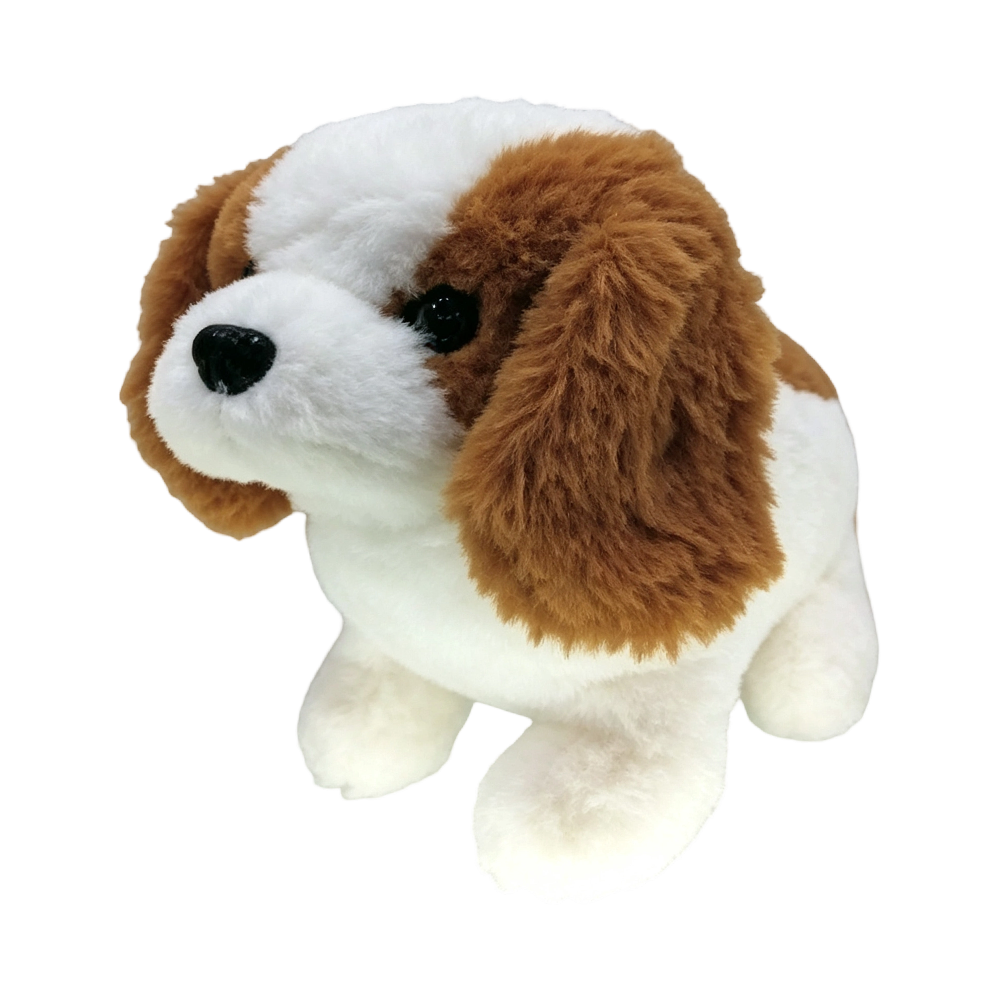
- Dog Plush Dolls: Dog dolls suggest breeds through ear shape, muzzle length, coat color and body proportions. Some are simplified cartoons. Others borrow details from particular dog types. Short and long pile each give a different effect.
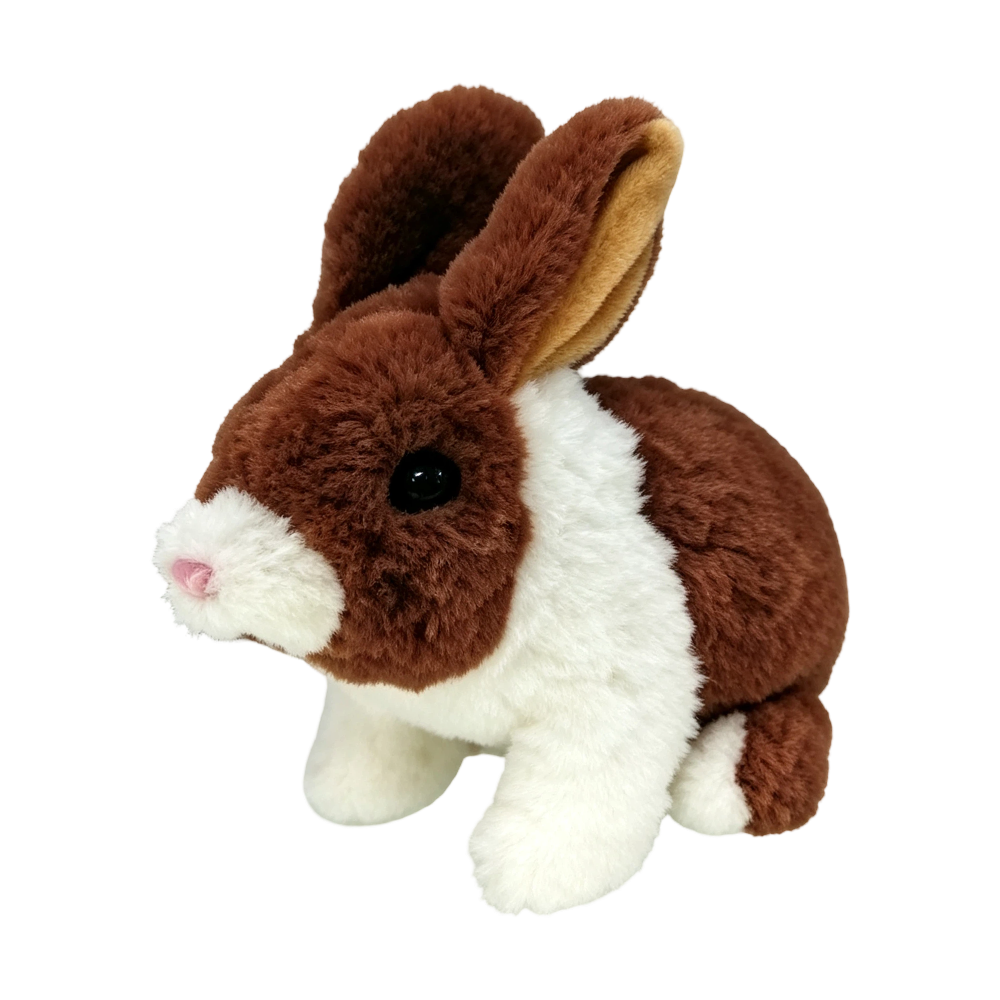
- Rabbit and Bunny Plush Toys: Rabbit plush toys usually have long ears, round bodies, short tails and soft faces. Ear length, ear position and fabric choice change the look a great deal. Bunny designs may use pastel colors, a contrasting inner-ear fabric or a simple embroidered expression.
- Bear Plush Dolls: Bears typically have round ears, broad heads and compact bodies. Facial proportions, pile length, color and clothing all change the look. Some follow the classic teddy shape. Others use stylized proportions for a cartoon feel.
- Panda, Monkey, and Fox Plush Toys: Pandas are known for the contrasting color areas around the eyes, ears and body. Monkeys may have longer limbs, round ears and a distinctive muzzle. Foxes tend to have pointed ears, a narrow face and a prominent tail. Each of these details can be simplified or adjusted to fit a design style.
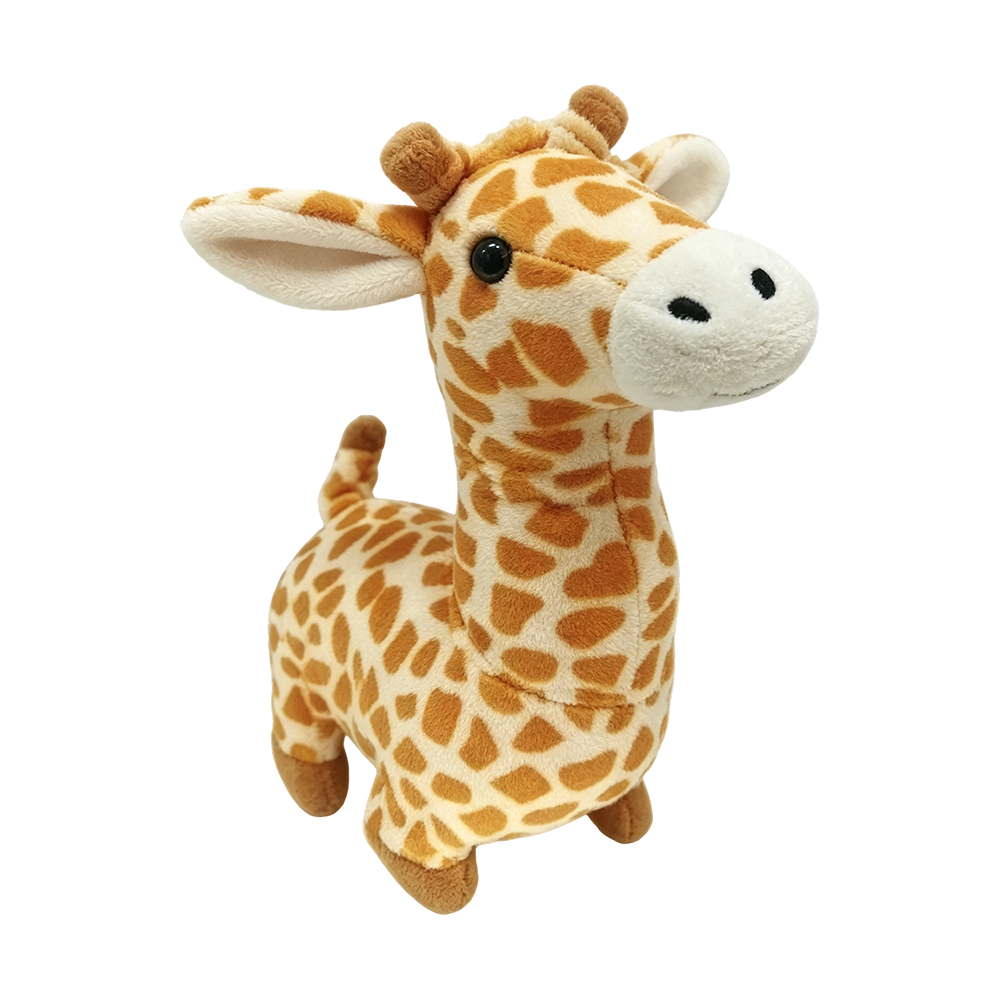
- Farm Animal Soft Toys: Farm animal soft toys cover sheep, cows, pigs, horses, chickens and similar animals. They suit themed collections, educational settings, gifts and decoration. Keeping size, color style and facial design consistent helps a set look coordinated.
What Materials Are Used in Plush Animal Dolls?
Materials affect the look, texture, structure and production needs of Plush Animal Dolls. Match them to each design. One material won't suit every product.
| Material | Common role | Selection considerations |
|---|---|---|
| Short plush | Creates a smooth, even surface | Pile length, color, texture, and ease of handling |
| Long plush | Creates a fluffy appearance | Pile direction, surface consistency, and finishing |
| Velboa | Provides a short-pile fabric option | Surface feel, appearance, and compatibility with the design |
| Polyester fiberfill | Adds volume and softness | Filling distribution, resilience, and desired shape |
| Embroidery thread | Creates facial features and decorative details | Stitch clarity, color matching, and secure construction |
| Additional fabrics | Used for clothing, inner ears, paws, and accents | Compatibility with the main fabric and overall design |
How to Match Materials to the Design
A simple animal shape often works well in short plush, since the surface stays even. A fluffy character may call for longer pile to look fuller. Contrasting fabrics can mark off ears, paws, muzzles and bellies.
Think about sewing performance and the finished structure as well. The fabric must suit the seams and shape you plan, and the filling should provide volume without lumps or uneven spots.
For children's toys, material documentation and the relevant safety assessments matter. Requirements differ by destination market and product category. Confirm compliance for the specific finished product. A material's name alone doesn't prove it.
How to Choose the Right Animal Doll Toys?
A good choice goes beyond liking the animal. These steps help match the product to its use.
- Define the Intended Use: Decide whether the toy is for play, gifting, decoration, education or a themed collection. A toy for young children has different construction and safety needs from a decorative figure for display.
- Select the Animal and Character Style: Pick an animal that fits the concept. Cats, dogs, rabbits, bears and farm animals each bring different visual features. Decide if you want a realistic, cartoon, minimalist or highly decorative style.
- Choose Suitable Fabric and Filling: Think about how the fabric texture supports the design. Short plush suits a neat, uniform look. Long plush suits a fluffy character. The filling should hold the intended shape and give a consistent finish.
- Evaluate the final combination against the actual material specifications and, where it makes sense, a sample.
- Confirm Size and Proportions: Dimensions affect how the toy looks, feels, displays and ships. Check height, width, depth and the proportions of ears, tails and limbs. For a range, consistent sizing and proportions help the products look coordinated.
- Review Construction and Finishing: Inspect seams, fabric alignment, filling distribution, embroidery and the attachment of decorative parts. Look for visible defects and construction problems. For children's toys, confirm the relevant testing and safety requirements too.
- Check Labeling and Market Requirements: Markets differ on toy safety, labels, warnings and testing. Confirm the rules for the destination and the age group. One test or certificate won't automatically cover every product type or market.
What Customization Options Are Available for Animal Dolls?
Customization lets you fit an animal doll to a design concept or product range. What's possible depends on the manufacturer's capabilities, the materials, the construction and the project specifications.
- Animal Shape and Character Design: Animal type, body proportions, ear shape, tail length and expression all shape the character. A clear brief or reference image helps convey the look you want. Complex shapes may need pattern development and sample review before details are final.
- Size, Fabric, and Color: The same design can look quite different in another size or fabric. Color, pile length, texture and how fabric panels relate to each other all change the result.
- For multi-style collections, set common color references and dimensions so the products look coordinated.
- Facial Details and Accessories: Embroidery can make eyes, noses, mouths and other details. Depending on the product and the verified manufacturing options, designs may also include clothing or extra fabric details.
- Assess every attached component for secure construction and for suitability to the target age group. Small parts can be hazardous for young children, so the finished design needs proper review.
- Labels and Packaging Presentation: Labels and packaging can carry product identification, care information where relevant and required warnings. Packaging dimensions should suit the finished toy and the way it will be displayed or shipped.
- Before you finalize a custom design, confirm the specifications, materials, dimensions, construction details, sample approval process and any applicable testing.
Frequently Asked Questions About Animal Dolls
What Is the Difference Between Animal Dolls and Animal Soft Toys? The two terms overlap. Animal Dolls often suggest a character-style design, while Animal Soft Toys usually means soft toys shaped like animals. The exact meaning depends on the product category and how a manufacturer describes its range.
What Fabrics Are Commonly Used for Plush Animal Dolls? Short plush, long plush, Velboa and other suitable fabrics are common. Choose by the texture, look, construction and use you need. Confirm the material specification for each individual product.
Which Animal Designs Are Commonly Available? Cats, dogs, rabbits, bears, pandas, monkeys, foxes, sheep, cows, pigs and other farm animals are typical. What's actually available depends on the product range and the manufacturer.
How Do You Choose the Right Size for an Animal Plush Toy? Look at the intended use, target age group, design proportions, handling needs and packaging dimensions. Confirm the finished height, width and depth. A general size label isn't enough.
Can Animal Doll Toys Be Customized? Often yes. Options may cover animal shape, dimensions, fabric, colors, facial details, accessories, labels and packaging. What's available depends on the manufacturer's capabilities and the project specifications. Confirm your requirements and review a sample when appropriate.
Choosing the right Animal Dolls starts with a clear view of the animal style, material, size, construction and use. Weighing these points shows how Animal Soft Toys, Plush Animal Dolls and other animal-themed products differ. Yidaxin's Animal Dolls category is a useful place to start reviewing styles. For specific requirements, confirm the available designs, materials, customization options and product documentation with the company before you decide.
