

 English
 Español

Custom Rabbit Plush Toys: Design, Materials, and Manufacturing
What Are Rabbit Plush Toys?
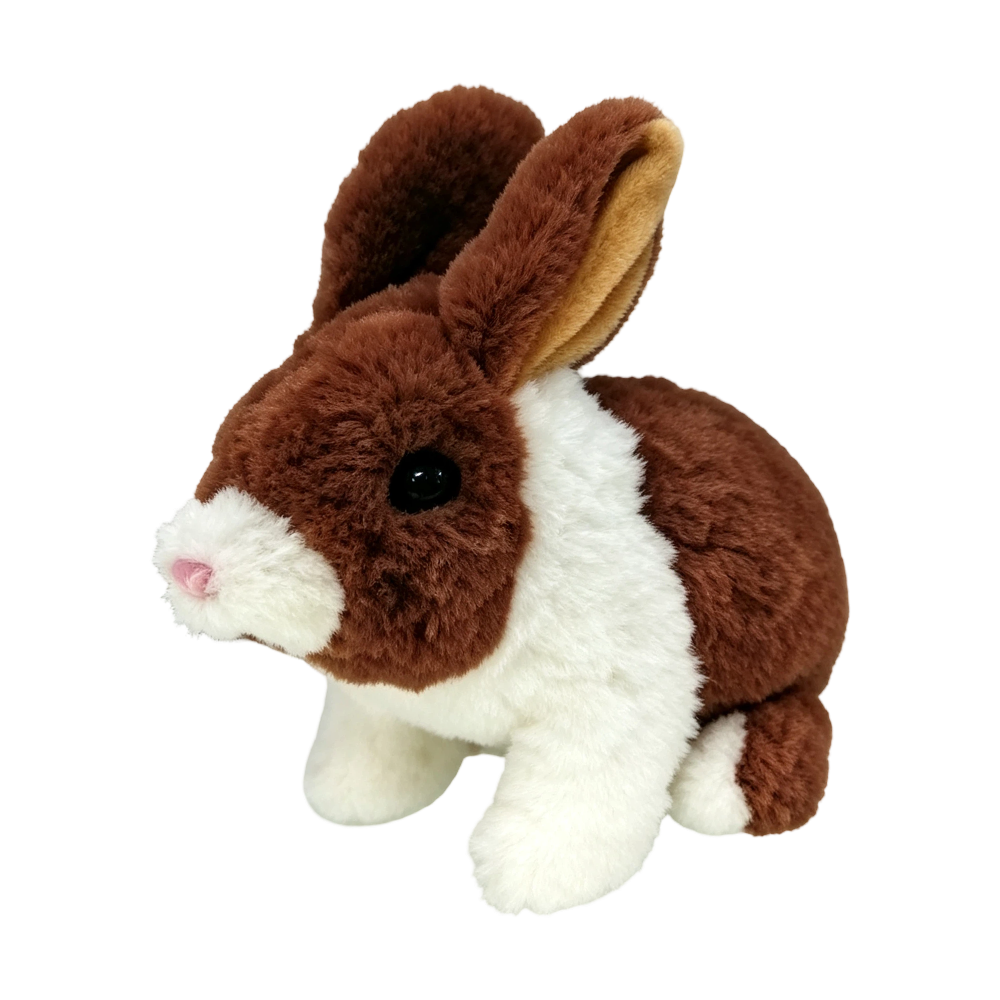
Rabbit Plush Toys are soft figures shaped like rabbits. Typical details include long ears, round faces, small tails and soft bodies. Sizes, colors and styles vary widely, from lifelike rabbits to cartoon characters. They're used as gifts, children's toys, animal-themed collection pieces, seasonal decorations and character merchandise. When choosing one, look at the fabric, filling, shape, stitching and intended use. Together these decide how the toy looks, feels and holds up, and whether it suits your product concept.
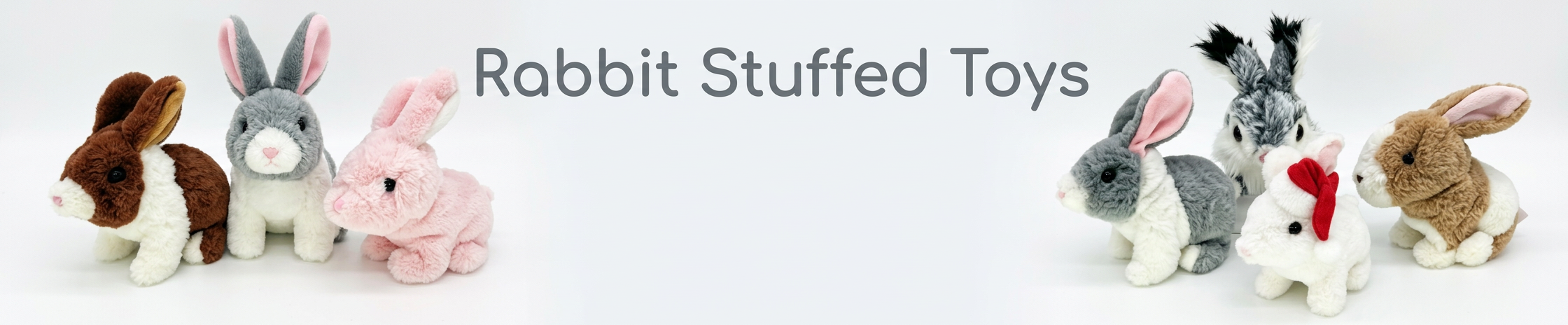
Designs range from simple compact figures to detailed characters in clothes and accessories. Knowing what each style offers helps businesses match products to their design goals and target markets.
What Are the Features of Rabbit Plush Toys?
Several features make a rabbit plush recognizable. How they appear depends on the breed or character being shown, the materials and the product style.
- Distinctive Rabbit Shapes: Ears are the signature. They can stand upright, flop down, or carry a contrasting inner fabric, and each choice gives the character a different personality.
- Other details matter too: round cheeks, a short tail, small paws and the overall body proportions. A realistic design stays close to a real rabbit. A cartoon design may use a bigger head, simpler limbs and a more expressive face.
- Because each part shapes the final look, they should all be planned during pattern development.
- Soft Fabrics and Filling Materials: Short plush, long plush and other textile fabrics are common choices. Short pile defines faces and outlines. Longer pile gives a fuller, fluffier surface.
- Polyester fiberfill adds volume and softness. How much goes in, and how it's spread, affects the firmness and shape of the head, body, ears and limbs.
- Choose materials to suit the design and the use. Toys for children must also meet the safety requirements for their age group and market.
- Different Colors and Design Styles: Popular colors include white, gray, brown, cream and pink. Cartoon designs can go further and use imaginative colors to build a unique character.
- Common styles include:
- Realistic rabbit plush toys: Rabbit-like proportions, coat colors and facial features.
- Cartoon bunny plush toys: Simplified shapes and expressive faces.
- Mini rabbit plush toys: Compact proportions for small gifts or collections.
- Long-eared bunny plush toys: Extended or floppy ears as the main feature.
- Character rabbit plush toys: Specific colors, clothing or accessories that make a recognizable character.
- These styles can be adapted to different concepts, though what's available depends on the materials and production methods.
Sizes and Product Applications
Rabbits can be made small, medium or large to suit the purpose. Small figures fit gift sets and collectible ranges. Larger ones work as display pieces or soft companions.
Size affects more than dimensions. It also changes fabric use, pattern proportions, filling needs, packaging and cost.
Settling on size early gives you clear specifications and fewer changes later.
What Materials Are Used in Rabbit Plush Toys?
Materials shape the texture, look, durability and production needs of a rabbit plush. The best combination depends on the design, the use and the standards that apply.
- Short Plush and Velboa Fabric: Short plush and Velboa suit toys that need a fairly smooth surface and clear shapes. They work for compact rabbits, cartoon characters and designs with embroidered faces.
- Pile length and fabric construction change how the material looks after cutting and sewing. When developing a new product, consider the fabric's color, texture and behavior during assembly.
- Long Plush Fabric: Long plush gives a fluffy surface for rabbits with soft, full-looking coats. It also adds texture to the ears, cheeks and body.
- On the other hand, long pile can hide small details and make seam placement harder. Plan the pattern and stitching around the fabric's texture to keep the intended shape.
- Polyester Fiberfill: Polyester fiberfill is the standard filling for plush toys. It gives volume and the soft structure people expect from a stuffed animal.
- The amount depends on the design. A round-bodied rabbit needs a different distribution from a long-limbed or floppy-eared one.
- Even filling reduces lumps and keeps finished products looking the same from piece to piece.
- Embroidery Thread and Decorative Fabrics: Embroidery thread makes eyes, noses, mouths, paw details and decorative patterns. Embroidered faces let designers fine-tune expressions and keep a character consistent.
- Other fabrics can add contrasting inner ears, clothing, bows or scarves. Choose them to fit the design, and check that they are attached and built properly.
- For children's products, assess materials and decorations against the relevant safety requirements. Don't assume they suit every age group.
How to Choose the Right Rabbit Plush Toys
Choosing well means looking at appearance, materials, construction and use. A clear list of requirements makes it easier to compare options.
Consider the Design Style
Decide first whether the toy should look realistic, cartoon-like or character-based. Realistic designs need careful ear shape, facial proportions and color patterns. Cartoon designs give more freedom with head size, body shape and expression.
Keep the design consistent across the ears, paws, tail and face.
Check the Ear Shape and Body Proportions
Ears define a rabbit. Upright ears make a different silhouette from long, floppy ones, and a contrasting inner fabric adds detail.
How head, body, legs and ears relate also shapes the character. A balanced pattern helps the toy keep its intended proportions after filling.
Match the Fabric to the Intended Appearance
Short plush suits defined outlines. Long plush creates a fluffy look. Weigh both appearance and how practical the fabric is to sew.
Check that the fabric supports your color, texture and level of detail. When the design has small embroidered features, the surface texture shouldn't hide them.
Evaluate Filling and Softness
Filling affects weight, softness, volume and shape. Uneven distribution can warp the body or make some areas look fuller than planned.
Match the method to the design. A firm-bodied rabbit and a soft, floppy bunny need different approaches to hold their shapes.
Review Stitching and Finishing
Inspect seams, fabric edges, embroidery and decorative parts. Consistent stitching and careful finishing keep the product looking right.
For children's toys, inspection should also cover safety concerns such as seam integrity and small-part hazards. The exact requirements depend on the design, age group and destination market.
Consider the Intended Use
A rabbit for a gift collection may put color coordination and presentation first. A children's toy needs closer attention to age suitability, material requirements and safety testing.
For decorative items, appearance and packaging often matter most. Defining the use before choosing materials guides both design and quality requirements.
What Customization Options Are Available for Bunny Plush Toys?
Bunny Plush Toys can be made in different sizes, shapes, colors and styles. Customization might tweak a few details or create a new character from a reference image or concept.
- Custom Size, Shape, and Color: You can specify overall dimensions, head-to-body ratio, ear length, leg shape and tail position.
- Color options include solid colors, contrasting inner ears, patterned fabrics or different shades across the body. Reference images and written specifications make these details clear.
- Check the final shape for both visual accuracy and how feasible it is to make.
- Custom Fabrics and Embroidery: Fabric can be changed to get different textures and looks. Embroidery can add expressions, decorative motifs, names or other details.
- Small facial features need careful placement, because even a minor shift changes the expression. A sample shows whether the fabric and embroidery method deliver the result you want.
- Custom Accessories and Packaging: Depending on the concept, a rabbit may come with bows, clothing, scarves or other accessories. Labels and packaging can be designed to match the presentation.
- On children's toys, evaluate accessories for attachment strength, small-part risks and applicable safety standards.
From Design Concept to Sample
A typical custom project runs through these stages:
- Design review: Confirm the reference image, dimensions, colors, materials and main features.
- Pattern development: Create fabric patterns and check the proportions of head, body, ears and limbs.
- Sample production: Make a first sample to review shape, texture and details.
- Sample evaluation: Compare it with the agreed design and list the needed adjustments.
- Production preparation: Confirm the approved specifications and quality requirements.
Development time and the number of revisions depend on how complex the design is and what the manufacturer can do. A reference image conveys the idea, but some details may need changes to suit fabric construction and sewing methods.
If a design uses licensed characters, third-party artwork or protected trademarks, confirm the necessary permissions before production.
Why Choose Yidaxin for Rabbit Plush Toys?
Picking a plush manufacturer takes more than comparing how products look. Design communication, material choice, sample review, production suitability and quality management all shape the development process.
Product Range and Design Requirements
Daishan Yidaxin Toys Co., Ltd. lists toy and decorative product categories on its official website, including animal dolls. That gives you a starting point for understanding its range.
For Rabbit Plush Toys, the next step is to confirm that the style, dimensions, materials and construction you need are within the manufacturer's actual capabilities.
Clear Design Communication
A detailed brief cuts down on uncertainty. Useful content includes reference images, dimensions, fabric preferences, colors, facial details, accessories and packaging requirements.
With clear specifications, it's easier to assess the proposed design and spot details that need adjusting before production.
Sample Evaluation and Quality Requirements
A sample lets you check the rabbit's proportions, ear shape, fabric texture, filling, stitching and overall look. Comparing it against written specifications gives a practical way to find differences.
Before moving ahead, confirm which quality checks the manufacturer offers, what testing arrangements exist and whether it can meet the requirements of your target market.
Confirm Manufacturing Suitability
Different plush designs demand different amounts of pattern work, sewing precision and finishing. Long ears, complex shapes and several fabric sections can add production challenges.
Discuss and verify Yidaxin's actual capabilities for your specific rabbit design directly. Doing so aligns the concept with the available manufacturing process.
For companies developing animal-themed toys, Yidaxin's official product categories are a useful place to review its toy and decorative offerings.
Developing a rabbit plush means thinking carefully about shape, materials, filling, stitching and use. From simple bunnies to character-based designs, clear specifications and sample review turn an idea into a workable product. Yidaxin's website features animal dolls and other toy and decorative categories. If you're exploring rabbit-themed plush, gather your reference images, preferred materials, dimensions and design details, then discuss suitable development options with the manufacturer.
