

 English
 Español

Christmas Decorative Ornaments: Types, Materials, and Decorating Ideas
What Are Christmas Decorative Ornaments?
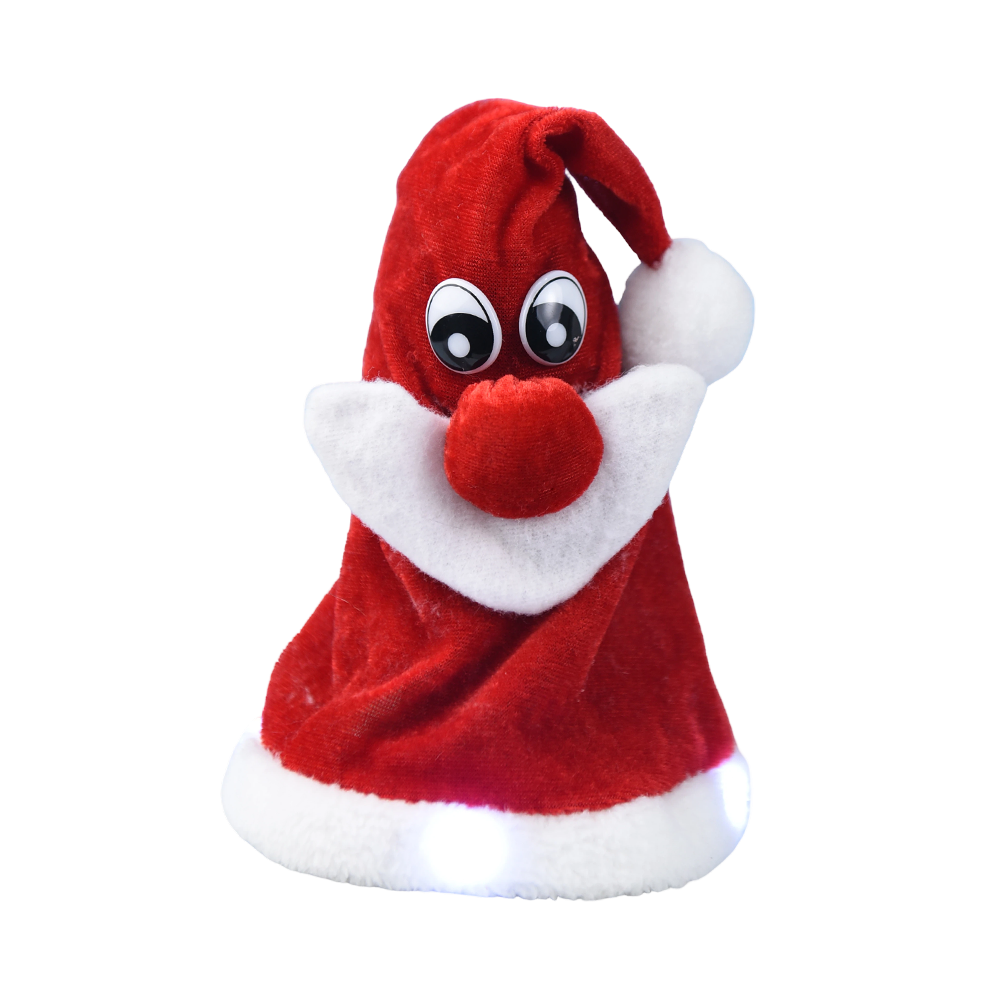
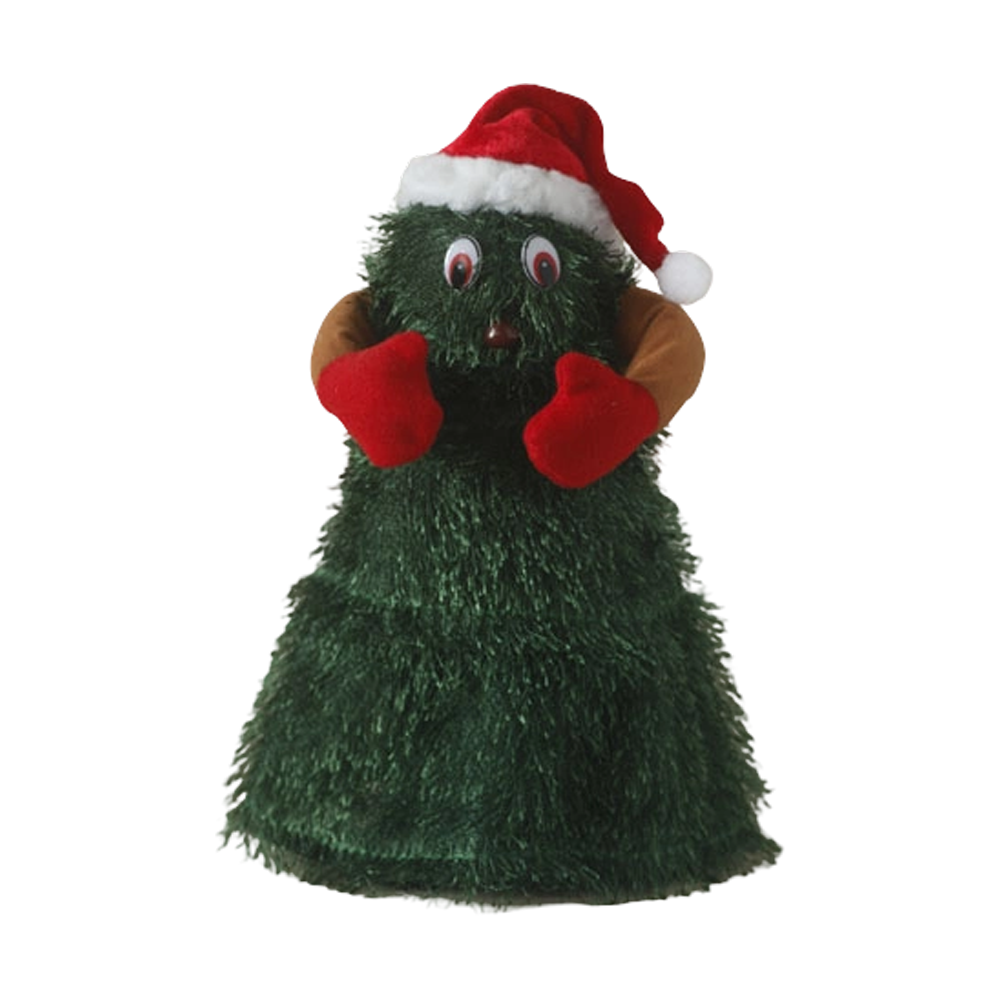
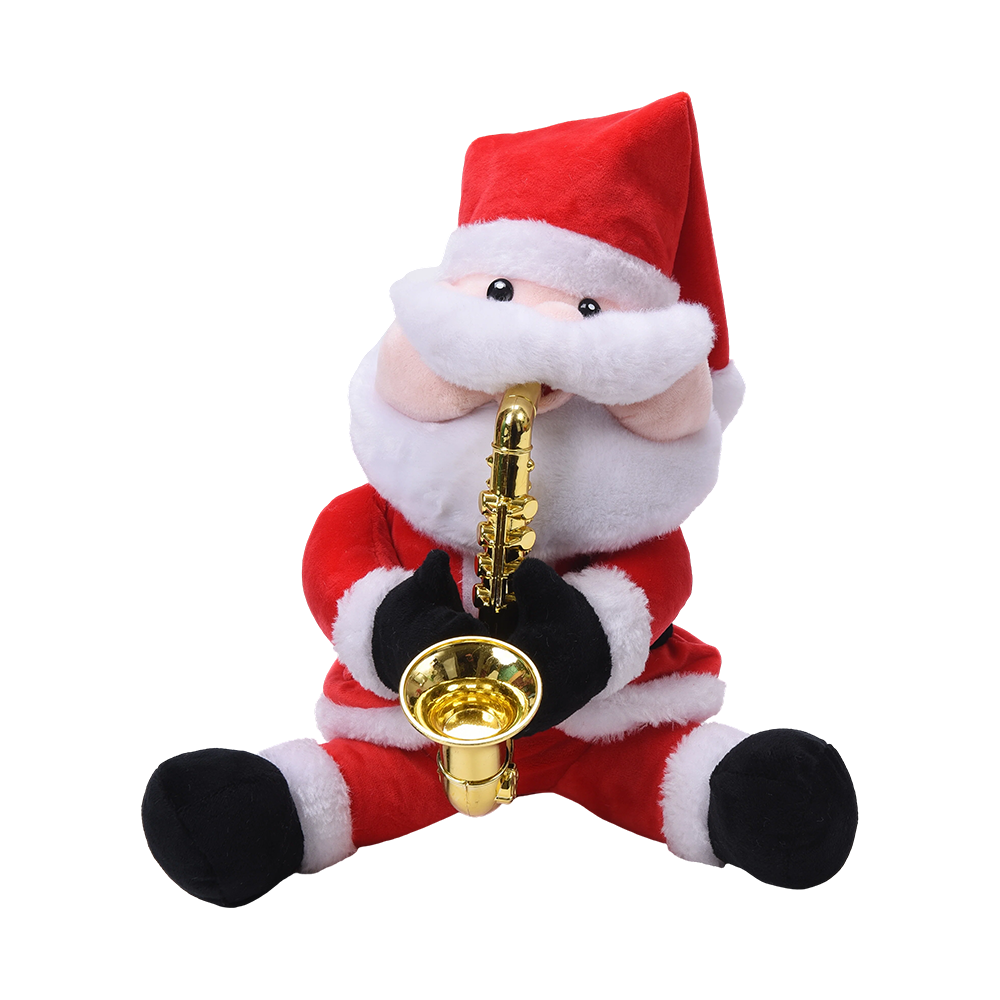
Christmas decorative ornaments are seasonal pieces that bring a holiday theme to indoor spaces, trees, tables and festive displays. Typical motifs include Christmas trees, stars, snowflakes, Santa Claus, reindeer and snowmen.
Shape, size, construction and use vary. Some hang from tree branches. Others stand on flat surfaces or work as accents inside a bigger arrangement.
Common types include:
- Christmas tree ornaments: Hanging balls, stars, snowflakes, bells and themed figures.
- Christmas tabletop ornaments: Miniature trees, Santa figurines, snowmen and small holiday scenes.
- Christmas figurines: Three-dimensional characters and seasonal objects for shelves, mantels and display tables.
- Christmas decorative accessories: Small accents that go with trees, wreaths, table settings and other holiday decor.
You can use them one at a time or combine them into a coordinated theme. Either way, the aim is to capture the season while suiting the style and practical needs of the space.
Types of Christmas Decorative Ornaments
Each type has its own job. Knowing how they're designed and where they go helps you build a balanced display.
- Christmas Tree Ornaments: These hang from branches or attach to the tree. Balls, stars, snowflakes, bells, angels and miniature Christmas figures are the usual shapes.
Color planning matters. Red and green read as traditional. White and silver suggest winter. Gold adds warmth to neutral palettes.
When choosing hanging pieces, look at weight, the attachment method and size relative to the branches.
- Christmas Tabletop Ornaments: Tabletop pieces are made for flat surfaces such as dining tables, coffee tables, desks, reception counters and mantelpieces. Think miniature trees, Santa figurines, snowmen and small holiday scenes.
They work alone or in a themed group. On a dining table, compact pieces leave room for dishes. On a console or reception counter, ornaments of different heights build a layered look.
- Christmas Figurines: Figurines show recognizable seasonal characters or objects: Santa, reindeer, elves, snowmen and trees.
Their three-dimensional form shows detail from several angles. Put them on shelves, near windows, beside a tree or in a seasonal display area.
When choosing one, consider base stability, surface detail, proportions and how it fits with nearby decorations.
- Christmas Decorative Accessories: Accessories are the smaller items that support the main decorations: miniature pieces, themed accents, ribbons, decorative balls and other seasonal details.
They tie different parts of a display together. Small red and gold accents, for example, can echo the colors of a tree across a table or shelf.
Use related colors and shapes, and avoid crowding the space.
Features of Christmas Decorative Ornaments
Ornaments mix seasonal imagery with varied shapes, materials and finishing. Several features affect how they look and work.
- Festive Shapes and Themes: Trees, stars, snowflakes, bells, Santa, reindeer and snowmen are the classic motifs. Their familiarity makes a consistent theme easy to set.
Some displays stick to one main motif. Others mix several characters for a more playful feel.
- Seasonal Colors: Red, green, white, gold and silver are the standard Christmas colors. Blue and silver, or pink and white, can support other styles.
A simple color plan keeps a display consistent. Choose one or two main colors and use others as accents.
- Different Sizes and Forms: Ornaments run from small hanging pieces to freestanding figurines and tabletop displays. Size decides how an item fits a space and relates to what's around it.
Small pieces fill gaps on a tree or add detail to a shelf. Larger tabletop pieces become focal points. Mixing sizes adds depth, as long as there's still open space.
- Surface Finishes and Decorative Details: Finish changes how an ornament looks under indoor lighting. Glossy surfaces reflect light. Matte ones look more understated. Painted patterns, textures, metallic effects and fabric elements change the character further.
Check color consistency, clarity of detail and the condition of visible surfaces.
- Flexible Display Options: Some ornaments hang. Others need a stable flat spot. Match each product to its intended use to avoid problems with balance, attachment or space.
Check the actual product design. Not every Christmas decoration can be used the same way.
Common Materials Used in Christmas Decorative Ornaments
Material affects appearance, weight, durability and care. Common options are plastic, resin, glass, wood, metal, fabric and ceramic. Each suits different forms and effects.
| Material | Common Characteristics | Points to Consider |
|---|---|---|
| Plastic | Lightweight, available in different shapes and colors | Check surface quality and structural strength |
| Resin | Suitable for three-dimensional figures and detailed shapes | Check the finish, edges, and base stability |
| Glass | Reflective appearance and clear decorative effects | Requires careful handling and protective packaging |
| Wood | Natural texture and a warm decorative style | Check the finish and protect against unsuitable storage conditions |
| Metal | Suitable for stars, bells, and defined decorative shapes | Consider weight, edges, and surface treatment |
| Fabric and felt | Soft texture and flexible decorative forms | Check stitching, seams, and cleaning requirements |
| Ceramic | Can feature glazed surfaces and detailed designs | Consider weight and the risk of breakage |
Match the material to the purpose. A light hanging ornament and a freestanding tabletop figurine have different needs. Glass and ceramic need extra protection when handled and stored. Fabric ornaments may need protection from dust and damp.
Follow the manufacturer's care guidance for each material. Before cleaning, check for paint, glitter, fabric, glued parts or other finishes that water or cleaners could damage.
How to Choose the Right Christmas Decorative Ornaments
Begin with the display area and the overall theme. These points help narrow the field.
Match the Decoration Theme
Decide on the look first: traditional Christmas, winter-inspired, natural or modern.
Red and green ornaments with Santa figurines suit a traditional setting. White, silver and snowflakes create a winter theme. Wooden details and neutral colors fit a natural interior.
Consider the Display Location
Each space calls for a different format.
- Christmas trees: Hanging ornaments with suitable attachments and proportions.
- Dining tables: Compact tabletop pieces that leave room for tableware.
- Shelves and mantels: Figurines and small accents that don't block nearby objects.
- Office reception areas: Designs that fit the surface and the interior.
- Window displays: Pieces that look good from several angles and under the lighting.
Check Size and Stability
Measure the display area before buying larger pieces. A figurine should fit its surface comfortably, and a tabletop tree shouldn't get in the way of the table's use.
For freestanding items, check that the base sits evenly. For hanging ones, inspect the loop, hook or other attachment.
Review Construction and Finish
Look for clean edges, consistent color, secure decorative parts and good surface finishing. If a product has several pieces, check that they fit together.
If items will be handled often or stored year after year, think about how the construction will hold up.
Consider Storage and Packaging
Decorations spend much of the year in storage. Choose items that can be packed away properly for their material and shape.
Fragile pieces may need individual wrapping or compartments. Protruding parts need protection from pressure and rubbing. Good storage cuts down on damage between seasons.
Where Can Christmas Decorative Ornaments Be Used?
Change the size, color, arrangement and placement, and ornaments suit very different environments.
- Home Christmas Decorations: In a living room, ornaments can complement the tree, mantel, shelves and coffee table. A consistent color scheme links the areas.
In smaller homes, compact figurines and tabletop trees add seasonal detail without using floor space.
- Christmas Tabletop Displays: Dining tables, entryway consoles and office desks can carry small decorative accessories as a festive focal point.
A simple grouping might be a miniature tree, a Santa figurine and a few small accents. Leave room around it so it doesn't interfere with everyday use.
- Office and Workplace Decorations: Reception counters, meeting rooms and shared areas can use coordinated ornaments for a seasonal feel. Repeating a small set of colors and shapes keeps the look consistent across areas.
Place them so they don't block walkways, signs, equipment or work surfaces.
- Retail, Hotel, and Event Displays: Shops, hotel lobbies, restaurants and Christmas events use ornaments to support a seasonal theme. Larger figures act as focal points, and smaller pieces fill shelves, counters and tables.
In public spaces, consider stability, accessibility, cleaning needs and how durable the materials are.
- Christmas Gifts and Decorative Sets: Ornaments also work as themed sets or seasonal gifts. Coordinated colors, related characters and matching packaging make a unified presentation.
When choosing a set, check which pieces are included, whether the styles match and how each item is meant to be displayed.
How to Create a Coordinated Christmas Decoration Theme
Coordination doesn't mean every ornament has the same shape. Link different items through color, scale and theme.
- Start with a color palette. Pick a main color and one or two supporting ones. Repeat them across tree ornaments, tabletop pieces and small accessories.
- Create visual layers. On a tabletop, put taller items at the back and shorter ones in front, as long as all stay visible and stable. On a tree, spread different sizes across the branches instead of grouping large ones in one area.
- Combine related motifs. Santa, snowmen, reindeer, stars and trees work together when colors and styles are compatible. A mix of characters benefits from a shared palette.
- Leave some open space. Too many pieces feel crowded. Give the main items room so their shapes and details show.
- Adapt to the setting. A family living room can handle playful figures and mixed colors. A hotel reception area may suit a tighter palette and fewer, more coordinated pieces.
What Should You Consider When Working with a Christmas Ornament Factory?
Judge a Christmas ornament factory or supplier by your product requirements, its communication process and the information it makes available. Clear specifications reduce misunderstandings during development.
Product Design and Sample Review
Confirm dimensions, shape, color, material, intended use and decorative details. If a sample is available, review its look and construction before approving the design.
Material and Color Consistency
Ask for clear material information and color references. The same color can look different on different materials, so physical samples help when color matching matters.
Construction and Surface Quality
Inspect visible seams, edges, attachment points, bases and decorative parts. For hanging ornaments, check the attachment method. For tabletop figures, check base stability.
Quality Inspection
Inspection criteria should suit the product's construction and use. Relevant checks include dimensions, appearance, surface finish, component attachment and packaging condition.
If the product is for a particular market or use, confirm any applicable safety, labeling or testing requirements. Don't assume general decorative use covers them all.
Packaging and Storage
Packaging should reflect the ornament's size, material, weight and fragility. Glass, ceramic and pieces with delicate protruding parts may need individual protection and separation inside the package.
Customization Communication
For custom products, discuss shape, dimensions, colors, patterns, decorative elements and packaging early. Confirm which options the supplier can support and get clear specifications before going ahead.
Why Choose Yidaxin for Christmas Decorative Ornaments?
Yidaxin's Christmas decorative ornaments page is a starting point for reviewing the company's seasonal decoration range. Use the product information to compare designs and find items that suit your display style.
Several points can guide your selection:
- Product information: Review the product images, names and descriptions to understand each item's look and intended use.
- Design compatibility: Think about how the ornaments could fit a coordinated theme for trees, tabletops, shelves or seasonal displays.
- Specification confirmation: Confirm dimensions, materials, colors, construction details and packaging for the specific product you're considering.
- Customization discussion: If you need a particular color, shape, pattern or package format, contact Yidaxin to confirm it's available.
- Application planning: Explain where and how the decorations will be used, so the product details can be checked against your actual display needs.
Choosing a supplier means matching the product to the use and confirming key details before you commit. Yidaxin's product information can start that process. Material, customization and manufacturing questions should be confirmed directly with the company.
Frequently Asked Questions About Christmas Decorative Ornaments
What Types of Christmas Ornaments Are Commonly Used? Common types include tree balls, stars, snowflakes, Santa figurines, snowmen, reindeer, miniature trees and themed tabletop decorations. The right type depends on where it will be displayed and the style you want.
What Materials Are Used to Make Christmas Decorative Ornaments? Plastic, resin, glass, wood, metal, fabric and ceramic are common. They differ in appearance, weight, durability and care needs. Confirm the actual material for each product.
How Do You Choose Christmas Tabletop Ornaments? Consider the available surface area, the ornament's height and base stability, its color scheme and how it relates to nearby decorations. Compact pieces suit smaller tables, while larger surfaces can hold layered arrangements.
How Can Christmas Decorative Accessories Be Matched with a Christmas Tree? Start with a consistent color palette and repeat a few shapes or motifs across the tree and the surrounding decor. For example, red and gold tree ornaments can be paired with matching tabletop figures and small accents.
Can Christmas Decorative Ornaments Be Customized? Possibly. Customization may cover shape, color, pattern, decorative details or packaging, depending on the product and the supplier's capabilities. Contact Yidaxin to confirm what's available for your design.
Christmas decorative ornaments combine color, shape, material and seasonal themes into a welcoming holiday setting. Whether you're dressing a tree, arranging tabletop pieces or planning a larger display, think about available space, construction, visual consistency and storage. Visit Yidaxin's Christmas Decorative Ornaments page to review the designs, and contact the company to confirm specifications or discuss your decoration needs.
