

 English
 Español

Dog Plush Toys: Materials, Styles, and Design Options
What Types of Dog Plush Toys Are Available?
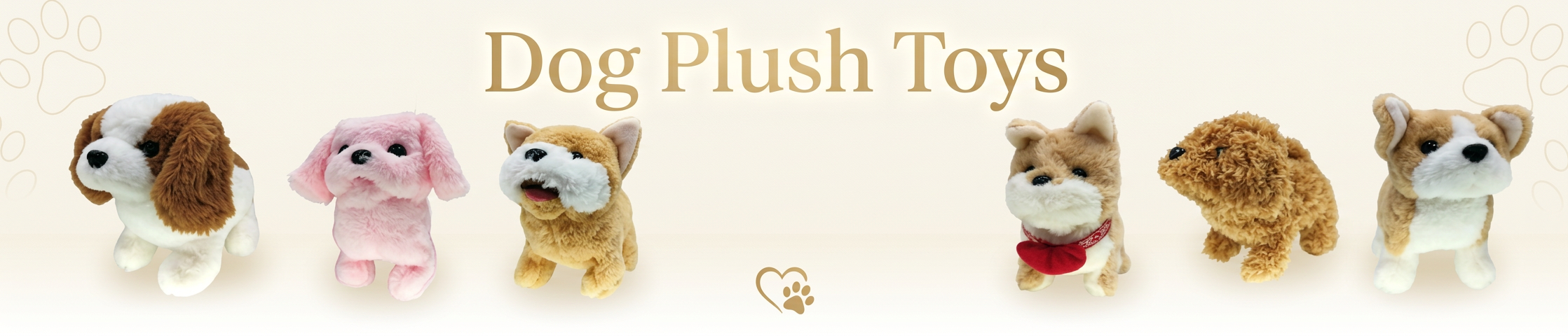
Dog Plush Toys can follow many style directions. The right one depends on who the toy is for, the look you want, the size and how much detail the design needs.
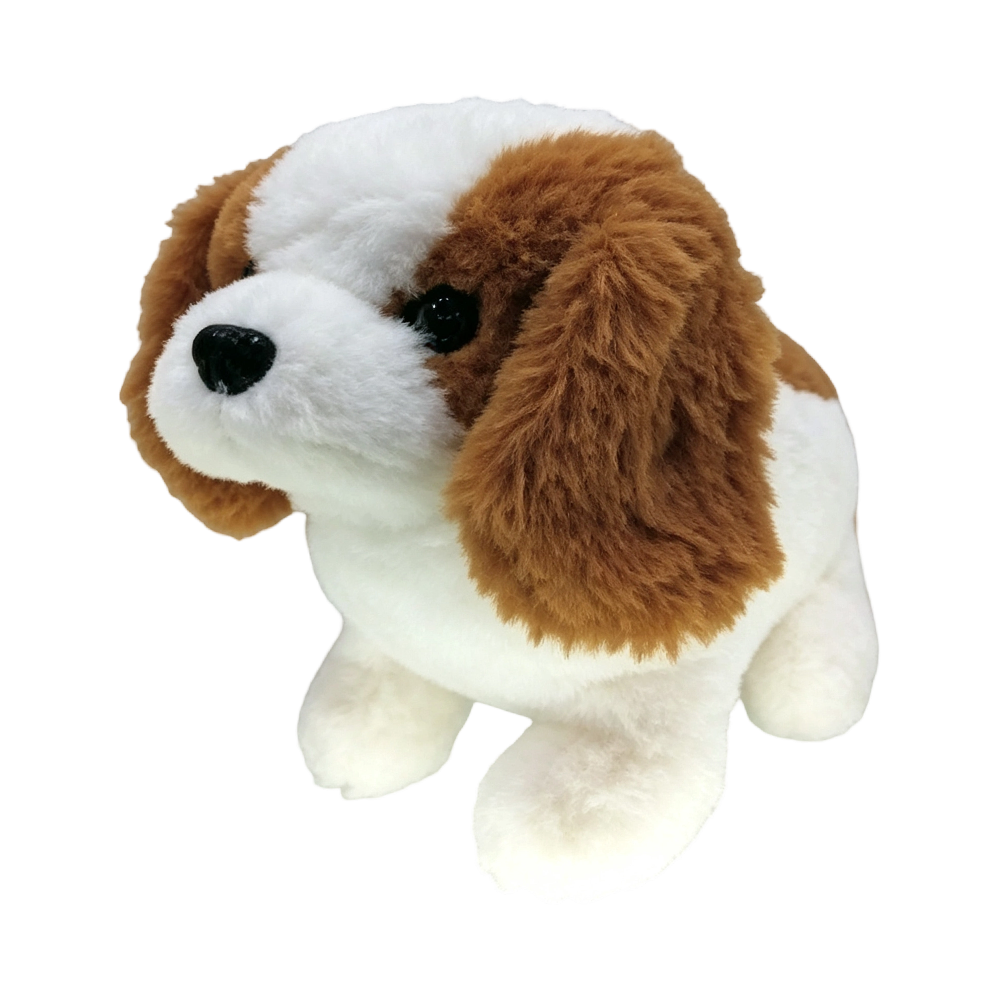
- Puppy Plush Toys: Puppy Plush Toys show young dogs: round faces, short muzzles, floppy ears and soft, chubby bodies. That combination reads as friendly right away, so it works well for gifts, children's collections and character-themed products.
- Small and Mini Dog Plush Toys: Small Dog Plush Toys and Mini Dog Plush Toys suit compact displays, gift sets, travel accessories and collectible lines. At this size, pattern design needs care. A slight change to the head, ears or legs can alter the whole look.
- Realistic Dog Plush Toys: Realistic Dog Plush Toys try to capture a recognizable breed through coat color, ear shape, facial features and body proportions. Longer-pile fabric can imitate a fluffy coat. Shorter fabric keeps outlines and faces crisp.
- Cartoon Dog Plush Toys: Cartoon Dog Plush Toys rely on simplified shapes, expressive faces and distinctive colors. Designers can tune the head-to-body ratio, eye placement and limb proportions so a whole collection shares one character style.
- Custom Dog Plush Toys: Custom Dog Plush Toys are built around a specific brief. That might be an original character, a breed-inspired design, custom colors, embroidery, clothing, accessories, labels or packaging.
A good design balances visual appeal with what can realistically be made. Complex shapes and tiny decorative details often need extra pattern work, more sewing steps and further sample adjustments.
What Materials Are Used in Dog Plush Toys?
Fabric, filling, thread and decorative materials affect a toy's look, feel, structure and cost. Choose them to match the design, the use and the safety requirements that apply.
- Short Plush and Velboa Fabric: Short plush and Velboa suit toys that need a smooth surface and clean shapes. They work for cartoon dogs, short-coated breeds and designs with embroidered faces.
- Short pile helps define small features. The final result still depends on the fabric construction, the pattern and the sewing method.
- Long Plush Fabric: Long plush gives a fluffy look and fits dogs with thick or curly-looking coats. It adds depth to the body, ears and tail.
- The downside is that long pile can bury small details and hide seams during assembly. Take pile length into account when drawing the pattern and placing facial features.
- Polyester Fiberfill: Polyester fiberfill supplies volume and softness. How much you use, and where, sets the firmness, the body shape and how well the toy keeps its form.
- Different areas can need different amounts. The head and body may need more structure than the ears or tail, depending on the design.
- Embroidery Thread and Decorative Fabrics: Embroidery thread makes eyes, noses, mouths, paw details and decorative patterns. Embroidered features keep the character consistent and suit designs that avoid separate plastic facial parts.
- Extra fabrics can be used for clothing, collars, scarves or contrasting body panels. Assess every material and decoration against the intended use and applicable safety standards.
How to Choose the Right Dog Plush Toys
Choosing well means balancing design, materials, use, production needs and cost. These factors help guide development.
Consider the Intended Use
Define the purpose first. A decorative dog may focus on realistic detail. A children's toy needs close attention to age grading, seam strength and small-part hazards.
Gifts and character merchandise often care more about color consistency, recognizable design, presentation and packaging.
Once the purpose is clear, it's easier to decide what takes priority in design and quality checks.
Choose the Right Size and Shape
Size influences appearance, handling, packaging and production. Small designs call for more precise cutting and sewing. Larger figures may need extra structural support to keep their shape.
Proportion the head, body, ears, legs and tail to fit the chosen style. A sample shows whether the design looks balanced before production starts.
Match Fabric to the Design
Let the dog's appearance drive the fabric. Short plush keeps outlines clear. Long plush gives a fuller coat.
Also consider color, pile direction, texture consistency and how the material cuts and sews.
Check Filling and Shape Retention
Filling affects softness, volume, weight and shape. Uneven filling causes lumps or distorts the proportions.
The right level depends on the structure. A firm, upright figure and a soft, floppy puppy call for different filling and internal support.
Evaluate Stitching and Finishing
Look for even seams, correctly placed facial details and consistent filling. Loose threads, fabric damage, uneven embroidery or poorly attached accessories all hurt the finished look.
For children's products, quality checks should also cover the relevant mechanical and physical safety requirements.
What Customization Options Are Available for Custom Dog Plush Toys?
Custom Dog Plush Toys combine choices of shape, material, color, embroidery, accessories and packaging. What's possible depends on the design and on the manufacturer's capabilities.
- Custom Size, Shape, and Color: You can specify overall dimensions, body proportions, a sitting or standing pose, ear shape, tail length and color layout.
- For breed-based designs, reference images help show coat patterns, facial markings and defining features. Clear specifications cut down on guesswork during pattern development.
- Custom Fabric and Embroidery: Fabrics can be changed to get different textures and visual effects. Embroidery can add expressions, logos, decorative patterns and other details.
- Check small features carefully. A flat drawing often looks different once it becomes a three-dimensional plush.
- Custom Accessories and Packaging: Depending on the design, a plush dog might have clothing, a scarf, a collar, a ribbon or other accessories. Labels and packaging can be developed to suit the target market and presentation.
- Accessories on children's products should be checked for age suitability, attachment strength and relevant safety requirements.
From Design Concept to Sample
A typical custom project moves through these stages:
- Design review: Confirm the reference image, dimensions, colors, materials and key details.
- Pattern development: Turn the design into fabric patterns and review the structure.
- Sample production: Make a first sample to judge shape, proportions, materials and workmanship.
- Sample revision: Correct anything that misses the agreed specifications.
- Production preparation: Confirm the approved design and set the production and inspection requirements.
Revision rounds and lead time depend on how complex the design is and how production is arranged. A reference image is a good starting point, but the final product may need adjustments to be practical to manufacture.
If you use licensed characters, brand logos or third-party artwork, confirm the necessary intellectual property permissions before production.
Picking the right dog plush takes more than choosing a dog shape. Fabric texture, filling, proportions, stitching, decoration and use all feed into the finished product. For custom projects, a clear design brief and a careful sample review help bring the look in line with what can be manufactured. Yidaxin offers a range of toy and decorative product categories, including animal dolls.
