

 English
 Español

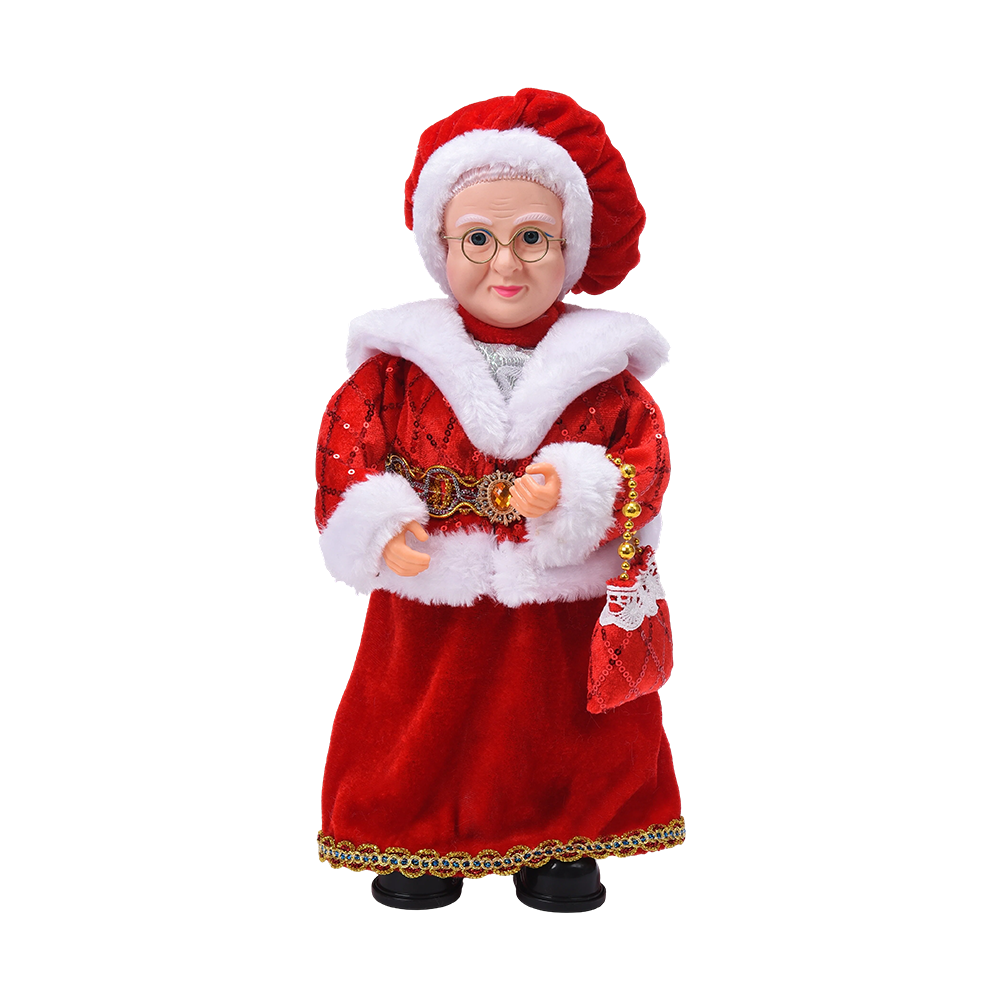
Christmas Figurines: Types, Materials, and Holiday Display Ideas
What Are Christmas Figurines?
Christmas figurines are three-dimensional decorative pieces built around Christmas characters, seasonal symbols or holiday scenes. They usually sit on tabletops, fireplace mantels, shelves, cabinets and windowsills.
Hanging tree ornaments are made mainly to attach to branches. Figurines focus on sculpted form and freestanding display. How a given piece is used still depends on its structure and design.

Common examples include:
- Santa Claus figurines: Santa standing, sitting or carrying gifts.
- Snowman figurines: Winter figures with hats, scarves and snowy colors.
- Reindeer figurines: Seasonal pieces shown alone or beside Santa.
- Elf and angel figurines: Characters that suit different themes and styles.
- Christmas tree figurines: Small three-dimensional trees for tables, shelves and mantels.
- Christmas ornament figurines: Decorative figures that go with other ornaments and seasonal accessories.
Sizes, materials and finishes vary. Some are single decorative pieces. Others can be grouped into a small Christmas scene.
Types of Christmas Figurines
Each style has its own decorative role. Knowing the shapes and where they belong helps you build a consistent display.
- Santa Claus Figurines: These feature the traditional Santa character. Designs include standing figures, seated figures, Santa with a bag of gifts, or Santa beside a tree or other seasonal props.
They often appear on mantelpieces, entryway cabinets, shelves and tabletops. A larger Santa can be the main focal point, with smaller figures and miniature trees or gift-themed pieces around it.
When choosing one, look at height, clothing detail, color scheme and base stability.
- Snowman and Reindeer Figurines: These two bring winter imagery to Christmas decor. Snowmen usually have hats, scarves, buttons and other familiar touches. Reindeer range from simple silhouettes to detailed sculpted forms.
They pair well with white, silver, blue or the traditional red and green. For a winter display, set a snowman with a miniature tree and snowy accents. For a traditional look, reindeer complement Santa figures and gift-themed pieces.
- Elf, Angel, and Christmas Tree Figurines: Elves tend to have playful poses and colorful clothes. Angels may have wings, robes and other decorative detail. Miniature tree figurines focus on the tree shape and may include ornaments, stars or textured surfaces.
Each supports a different theme. Elves bring a playful mood. Angels suit traditional or religious arrangements. Small trees repeat the seasonal motif across different parts of a display.
- Christmas Tabletop Figurines: Tabletop figurines are made for flat surfaces such as dining tables, coffee tables, reception counters and desks. They may be single characters, small trees or several figures forming a themed scene.
Size matters most here. A compact piece adds detail without hogging space. A larger one can be the focal point on a console table or reception counter.
Check the base dimensions before placing a figurine, and make sure it doesn't get in the way of the table's everyday use.
- Christmas Mantel Figurines: Mantel figurines are chosen for fireplace mantels and similar horizontal surfaces, such as shelves and console tables.
A coordinated mantel might put a Santa in the center with smaller reindeer, snowmen or miniature trees around him. Height differences build visual layers, and repeated colors tie everything together.
For safety, keep figurines away from open flames and hot surfaces. Follow the fireplace maker's instructions and the decoration's care and placement guidance.
Features of Christmas Figurines
Figurines pair recognizable seasonal themes with three-dimensional form and decorative detail. Several features affect how they look and where they work.
- Recognizable Christmas Characters: Santa, snowmen, reindeer, elves, angels and trees are familiar subjects. Their shapes carry the theme without extra decoration.
Some displays stick with one character. Others combine related figures into a small holiday scene.
- Three-Dimensional Shapes: Because the form is sculpted, details can be seen from several angles. Expression, clothing, accessories and proportions all shape the look.
For a figurine on an open shelf or central table, check how it looks from the sides and back, not only the front.
- Seasonal Color Combinations: Red, green, white, gold and silver are the usual Christmas colors. Blue and silver or pink and white give a different seasonal style.
A simple palette helps figures work together. The red of Santa's suit, for instance, can be echoed in nearby ornaments, ribbons or accents.
- Surface Details and Finishes: Painted patterns, clothing textures, faces, glitter and metallic finishes all affect the overall look.
Check that decorative details are crisp and the finish is even. On figures with several attached parts, look closely at the visible joints and connections.
- Different Sizes and Stable Bases: Figurines range from small shelf pieces to large display items. Proportions should fit the space and the decor around them.
A stable base matters for any freestanding figure. Check that it sits evenly on a flat surface and that its shape doesn't make it likely to tip.
Common Materials Used in Christmas Figurines
Material affects appearance, weight, structure, level of detail and care. Resin, plastic, ceramic, wood, fabric and metal are common across the decorative products industry.
| Material | Common Characteristics | Points to Consider |
|---|---|---|
| Resin | Suitable for sculpted shapes and detailed character designs | Check the finish, edges, and base stability |
| Plastic | Can be formed into a variety of shapes and sizes | Review surface quality and structural strength |
| Ceramic or porcelain | Can provide glazed surfaces and detailed decoration | Requires careful handling because of breakage risk |
| Wood | Offers a natural texture and warm appearance | Check the finish and storage conditions |
| Fabric and felt | Suitable for soft figures and textile details | Review stitching, seams, and cleaning instructions |
| Metal | Can provide defined shapes and decorative accents | Consider weight, edges, and surface treatment |
No material fits every design. Resin and plastic suit different kinds of sculpted figures, while fabric and felt work for soft forms. Ceramic and glass-like finishes need extra protection in handling and storage.
Confirm the actual material instead of judging by looks. Follow the product's care instructions for cleaning and storage, especially when a figurine has painted surfaces, glued accessories, fabric details or delicate decoration.
How to Choose the Right Christmas Figurines
The choice gets easier once you know the display location, the theme and your practical needs.
Choose a Suitable Theme
Decide on the overall Christmas style first. Traditional red and green goes with Santa and reindeer. White and silver figures support a winter display. Miniature trees and neutral colors suit a quieter arrangement.
Pick figures with a visual link, such as similar colors, related characters or compatible finishes.
Consider Size and Display Space
Measure the spot. A large figure suits a roomy mantel or reception counter. A smaller one fits a desk or dining table.
For groups, add up the space all the pieces need, and leave enough room for each to stay visible.
Check Stability and Construction
Examine the base, attached accessories, edges and visible joints. The figurine should sit securely on its surface.
For tall figures or designs with outstretched arms, hats, antlers or other protruding parts, think about whether normal use could knock or damage them.
Review Colors and Surface Finishes
Compare the figurine's colors with the decor around it. A consistent palette unifies a display, while one contrasting figure can serve as a deliberate focal point.
Look for visible inconsistencies in painted areas and details. If the figurine belongs to a set, check that the pieces share a compatible style.
Consider Cleaning and Storage
Decorations are stored between seasons. Use a cleaning method that suits the actual material and finish.
Fragile figures may need individual wrapping or protective compartments. Pieces with delicate accessories should be stored so pressure doesn't bend or mark them.
How to Arrange Christmas Mantel and Tabletop Figurines
A good arrangement has a focal point, supporting pieces and enough open space for each item to be seen.
Create a Traditional Christmas Mantel Display
Put a larger Santa near the center of the mantel. Add smaller reindeer or snowmen on either side, then use miniature trees to link the arrangement.
Repeat two or three colors across the figures and nearby decor. Keep the balance natural. Both sides don't need to match. Place everything safely away from heat and flames.
Create a Christmas Tabletop Scene
On a dining table or console, combine a miniature tree, a small snowman and a Santa. Put the tallest piece toward the back and shorter ones in front where it makes sense.
Keep the central group compact enough to leave room for tableware and daily items. On a small desk, one character figurine and a little seasonal accent can be plenty.
Use Height and Color to Create Visual Layers
Different heights separate the main figurine from the supporting pieces. Repeating colors connects items of different shapes.
Avoid packing decorations too close together. Open space makes details easier to see and keeps the display tidy.
Where Can Christmas Figurines Be Used?
Figurines work in many indoor settings. The right style depends on the space, the mood you want and how the area is used.
- Home decorations: Mantelpieces, shelves, entryway cabinets, coffee tables and windowsills.
- Office decorations: Compact figures on desks, reception counters and shared display surfaces.
- Hotels and restaurants: Coordinated figurines with other seasonal decor in suitable public areas.
- Retail window displays: Character figures as focal points next to Christmas trees, accessories and themed backdrops.
- Christmas events: Figures in seasonal scenes or photo areas, kept clear of walkways.
- Seasonal gifts and collections: Figurines with a shared character theme, palette or decorative style.
In public spaces, think about stability, ease of cleaning, available surface area and the chance of accidental contact. Keep decorations away from signs, equipment and access routes.
Custom Christmas Figurines: Design and Specification Considerations
A custom figurine may change the character, shape, size, color, finish or decorative details, depending on the product and what the manufacturer can do.
Before you discuss a custom design, pin down these points:
- Character and shape: The intended figure, such as Santa, a snowman, a reindeer or another seasonal character.
- Size and proportions: Height, width and overall proportions.
- Color and finish: Color references and the surface appearance you need.
- Decorative details: Clothing, accessories, faces, patterns and other key elements.
- Base and stability: How the figure will stand and where it will be displayed.
- Packaging: Material, weight, shape and delicate parts, to plan protective packaging.
- Sample review: Compare the sample with the agreed design and specifications before final approval.
Clear specifications prevent misunderstandings during development. Confirm any proposed customization directly with the manufacturer, since options depend on the design and production requirements.
Why Choose Yidaxin for Christmas Figurines?
Yidaxin's Christmas Figurines page is a starting point for reviewing the company's seasonal decorative products. The listed designs and product information can help you find figures that suit your theme or display space.
When you look at Yidaxin's figurines, focus on these points:
- Product information: Review the product images and descriptions to understand each item's look and intended use.
- Seasonal design selection: Compare the figures by character theme, color, shape and decorative style.
- Display applications: Judge whether a piece suits a mantel, tabletop, shelf or other area based on its actual dimensions and structure.
- Specification confirmation: Confirm materials, sizes, finishes and packaging for the specific product.
- Customization communication: If you need a particular character, color, size or detail, contact Yidaxin to confirm it's available.
Choosing figurines means matching a design to the display setting and confirming the details that matter for its use. Review the available product information and discuss any specific needs with Yidaxin to see which options fit.
Frequently Asked Questions About Christmas Figurines
What Is the Difference Between Christmas Figurines and Christmas Ornaments? Figurines are usually freestanding, three-dimensional decorations. Ornaments often means hanging decorations for Christmas trees, though the word can cover other seasonal decorative items too. Intended use depends on the product's design.
What Materials Are Commonly Used in Christmas Figurines? Resin, plastic, ceramic, wood, fabric and metal are common. They differ in appearance, weight, structure and upkeep. Confirm the actual material for each product before choosing a cleaning or storage method.
How Do You Arrange Christmas Mantel Figurines? Start with a focal point, such as a Santa, and place smaller decorations around it. Vary heights for visual layers and repeat a few colors to connect the pieces. Keep the arrangement stable and away from open flames and hot surfaces.
How Do You Choose Christmas Tabletop Figurines? Consider the available surface, the figurine's size, base stability and how it fits with nearby decor. On dining tables and small desks, compact figures preserve usable space.
Can Christmas Figurines Be Customized? Often yes. Customization may cover character, shape, dimensions, colors, finish or packaging, depending on the product and the manufacturer's capabilities. Confirm the options and specifications directly with the manufacturer.
Christmas figurines bring seasonal characters and visual interest to mantels, tabletops, shelves and holiday displays. To choose well, weigh the decorative theme, available space, material, construction and storage needs. Visit Yidaxin's Christmas Figurines page to review the designs, and contact the company to confirm specifications or discuss customization.
