

 English
 Español

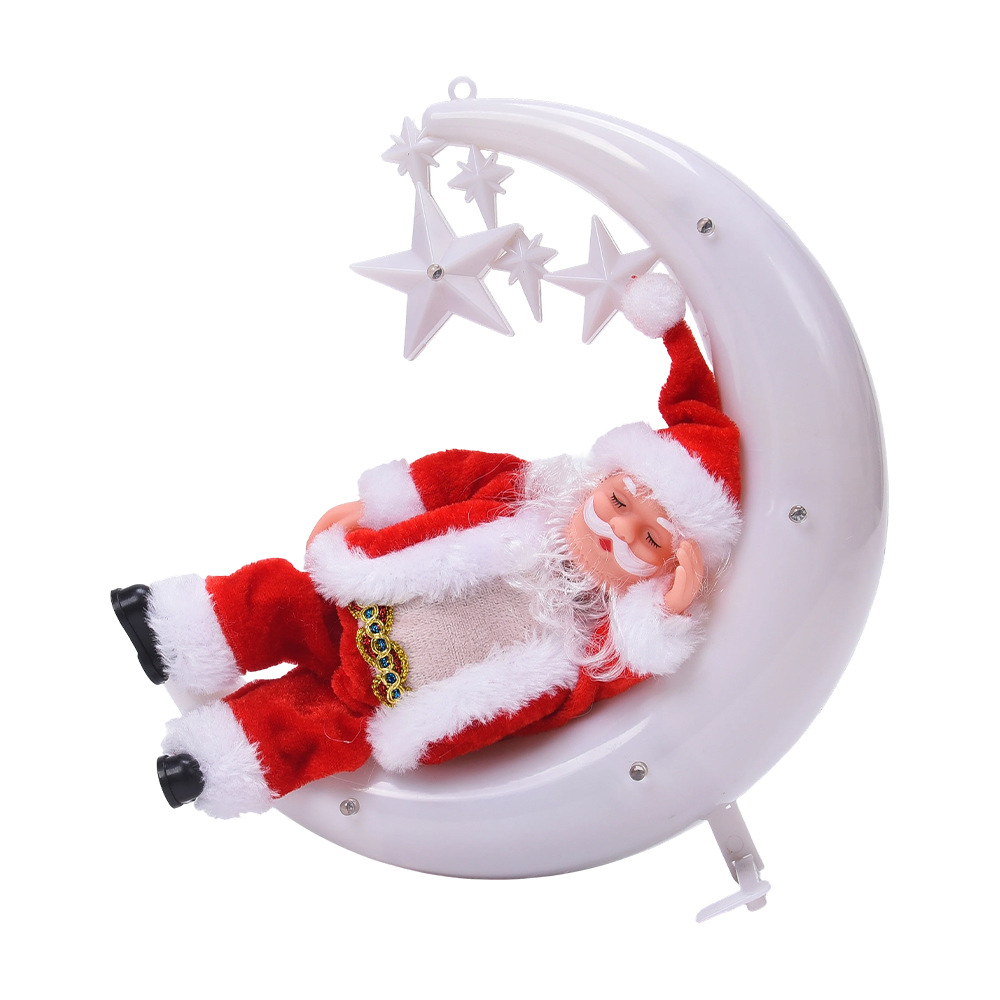
Santa Claus Figurine with a Creative Scene: Design Features and Display Ideas
What Is a Santa Claus Figurine with a Creative Scene?
This is a Christmas decoration with Santa as the main character inside a themed arrangement. The design may include seasonal objects, a decorative base or a small scene that captures the spirit of the holiday.
A plain Santa figure focuses on the character alone. A scene-style piece also shows how Santa relates to his surroundings. It may suggest delivering gifts, getting ready for Christmas or enjoying a snowy winter setting. The exact design depends on the product.
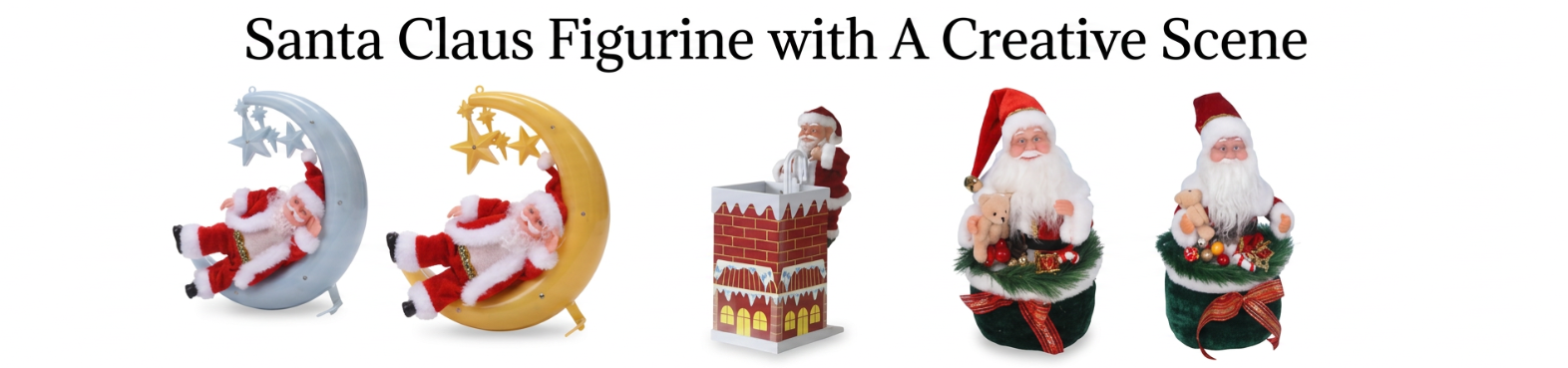
A Santa Claus Christmas scene is both decorative and narrative. It gives viewers something to look at and adds detail to a larger holiday display.
Typical places to use one:
- Christmas tables and dining room displays.
- Living room shelves, mantelpieces and sideboards.
- Entryway cabinets and seasonal decorative corners.
- Office desks, reception areas and indoor holiday displays.
- Christmas arrangements with trees, garlands and lights.
When you pick a specific product, check its real dimensions, materials, structure and decorative details. The product name alone tells you little.
Features of Santa Claus Figurines with Creative Scenes
These figurines combine character design with composition. The result depends on how the elements are arranged, how the colors work together, the surface details and whether the piece suits its display space.
- Creative Scene Design and Storytelling: The scene gives the figurine a clear visual theme. Depending on the design, Santa may appear with gifts, Christmas trees, winter scenery or other seasonal elements.
These touches build a story and make the piece more engaging than a lone figure. A gift-themed scene pairs well with a tree display, and a winter scene suits a mantel or shelf with snowy accents.
Composition counts as much as the individual parts. A good scene has a clear focal point, balanced proportions and enough visual room for Santa to stand out.
- Festive Colors and Decorative Details: Red, green, white and gold are the traditional Christmas colors, and Santa figurines often use them. Red usually marks the clothing, green echoes tree elements and white suggests snow.
Gift boxes, patterns, expressions and textured surfaces add depth. How well they work depends on color balance and scale.
When you combine a figurine with other accessories, pick colors that work together instead of competing. A coordinated palette makes the display feel organized.
- Compact Display and Versatile Styling: Many Santa table decorations are made for horizontal surfaces. Depending on size and construction, they suit dining tables, coffee tables, shelves, desks or entryway cabinets.
Let the available space guide the size. A larger scene can be the focal point on a sideboard, while a smaller one fits a desk or narrow shelf.
Check the base size and stability before displaying it. On a dining table, leave room for dishes and serving items. On a shelf, consider the height of nearby objects and the clearance.
- Materials, Finish, and Construction: Material shapes a figurine's look, weight, finish and care. Depending on the design, makers may use resin, plastic, wood, fabric or combinations.
When evaluating one, consider these points:
- Material information: Check the product specifications for the actual materials.
- Surface finish: Look for even color and clearly presented details.
- Structural stability: Check that the base holds the figure securely on a flat surface.
- Detail quality: Examine the face, clothing, decorative parts and overall finish.
- Care requirements: Follow the manufacturer's cleaning and storage instructions.
These checks show whether a figurine suits a particular display and how to maintain it between seasons.
Where Can Santa Claus Table Decorations Be Used?
Santa table decorations work in many indoor settings. Placement should reflect the product's size, the surrounding decor and the purpose of the display.
- Christmas Dining Table and Coffee Table: A Santa figurine can be the central element on a dining or coffee table. Pair it with seasonal greenery, a table runner, small ornaments or other matching accessories.
For a dining table, choose a size that doesn't block conversation or eat up serving space. A compact scene suits a smaller table, and a larger surface can hold a more detailed arrangement.
On a coffee table, set the figurine on a decorative tray with a few complementary items. Keeping it simple lets the Santa scene remain the main feature.
If candles or electrical decorations are nearby, keep proper clearance and follow their safety instructions. Don't expose figurines to direct heat or open flames unless the product is designed for that.
- Living Room Shelves and Mantel Displays: Shelves and mantels are good spots for Santa home decor. A scene-style figurine can sit among garlands, small trees, ornaments or warm lighting.
For balance, mix objects of different heights without overcrowding. A larger figurine anchors the arrangement and smaller decorations add supporting detail.
Color helps too. Red, green and natural wood tones give a traditional Christmas look. White and silver accents suit a winter theme.
Check the depth of the shelf or mantel first. The base should sit securely, and the piece shouldn't extend where it could easily be knocked over.
- Entryway, Office, and Seasonal Displays: A Santa Christmas scene can also bring cheer to an entryway cabinet, office desk, reception counter or indoor seasonal display.
In an entryway, pair it with a wreath or a little greenery. In an office, a compact design usually works better because desk space is limited.
For reception areas and bigger displays, think about viewing distance. Small details fade from across a room, while the overall silhouette and color arrangement matter more.
Public or shared spaces need extra attention to stability, placement and access. Keep the figurine away from walkways and anywhere it could interfere with daily activity.
How to Choose a Santa Claus Christmas Scene Decoration
A good choice goes beyond an attractive design. Size, theme, construction, placement and storage all affect practical use.
Match the Scene Design with the Christmas Theme
Decide first what atmosphere you want.
A traditional theme may use classic Santa imagery, red and green, and gift details. A cozy home theme may pair the figurine with warm lighting, natural textures and simple accessories. A winter theme may use white, silver and snowy decorations.
The figurine should complement existing decor and not add too many unrelated colors or themes. If several decorations will sit together, think about how they relate before arranging them.
Check Size, Proportions, and Placement
The right size depends on the display spot. A dining table piece may need a smaller footprint than one for a roomy sideboard.
Before choosing, check:
- Overall height, width and depth.
- Base dimensions and stability.
- Available display space and nearby objects.
- Viewing distance and how visible small details are.
- Whether the piece will be moved or stored often.
A detailed scene needs more room than a simple standing figure. Measuring the display area keeps the arrangement from feeling crowded.
Evaluate Material and Decorative Finish
Material changes both the look and the handling. A piece with painted details needs different care from one with fabric parts or mixed materials.
Review the specifications and images to understand finish and construction. If composition, weight or cleaning instructions matter for your use, confirm them with the manufacturer.
Also look at how decorative elements attach to the main structure. That can reveal handling or storage concerns before you display the piece.
Consider Packaging, Storage, and Seasonal Reuse
Decorations spend most of the year in storage, and packaging and storage conditions affect how well they keep their appearance.
Consider the shape, fragile details, protruding accessories and storage needs. Pieces with delicate parts may need protective packing and careful handling.
Store them somewhere clean and dry and follow the care instructions. Don't put heavy objects on top of fragile figurines, and shield painted or textured surfaces from rubbing where needed.
If packaging matters for your application, ask the manufacturer about the options. Don't assume every product is packed the same way.
How to Style Santa Claus Home Decor for Christmas
Good styling ties the figurine to the rest of the room. Aim for a cohesive seasonal display that doesn't feel crowded.
Traditional Christmas Styling
For a traditional look, combine the figurine with red and green accents, greenery and classic ornaments. A red table runner or small wreath links the elements.
Limit the number of accessories so the figurine stays visible. Repeating one or two colors across the display gives a consistent look.
Cozy Home Styling
For a warm, relaxed mood, pair Santa home decor with wooden trays, neutral fabrics, soft lighting or natural materials.
This works well on coffee tables, sideboards and shelves. The scene is the focal point, and the surrounding accessories add texture and background.
Don't pile too many items around the figurine. Some open space makes the display easier to enjoy.
Winter-Inspired Styling
A winter display may use white, silver, pale blue or other cool tones. Snow-themed ornaments and simple greenery go well with a Santa Christmas scene.
Balance the cool palette against the figurine's own colors. If Santa has strong red accents, a neutral background helps him stand out.
Creating a Layered Display
Layering heights adds depth. Put the main figurine where it's easy to see, then place smaller accessories around it.
For example, set a scene-style Santa near the center of a sideboard with smaller ornaments to the sides. On a shelf, taller decorations can sit behind shorter ones if they don't block the main figure.
Always weigh stability and space. A balanced display should also be practical to maintain and safe to use.
Frequently Asked Questions About Santa Claus Figurines
What Makes a Scene-Style Santa Claus Decoration Different from a Standard Figurine? A standard figurine mostly shows the Santa character. A scene-style piece puts him in a broader composition. Extra decorative elements can create a story or theme, though the exact design varies by product.
Where Can Santa Claus Table Decorations Be Displayed? On dining tables, coffee tables, sideboards, shelves, desks and entryway cabinets. The right spot depends on the product's size, stability, materials and surrounding space.
How Can a Santa Claus Christmas Scene Be Styled with Other Decorations? Choose a consistent color palette and add a limited number of complementary accessories, such as greenery, ornaments, table runners or small decorative trees. Varying heights adds depth while keeping the main scene visible.
What Materials Are Commonly Used for Santa Claus Figurines? Resin, plastic, wood, fabric or combinations. The actual material depends on the design. Check the manufacturer's specifications for composition and recommended care.
How Do You Choose the Right Size for a Christmas Table Decoration? Measure the surface and consider the figurine's height, width, depth and base. Leave space for other items and normal activity. On a dining table, make sure it doesn't interfere with serving dishes or block sightlines.
How Can I Get Product Specifications for Yidaxin Santa Claus Decorations? Visit the relevant Yidaxin product page to review the images and specifications. If dimensions, materials, packaging or customization options aren't listed, contact Yidaxin directly to confirm.
A Santa Claus figurine with a creative scene adds character and visual interest by pairing a familiar holiday figure with a themed setting. Its effect depends on scene design, color coordination, size and placement. As a Santa table decoration or part of a larger Santa home decor arrangement, it should suit the overall Christmas theme and stay practical to display and store. Visit Yidaxin's product page to review the design details and confirm the specifications you need.
