
 English
 Español

Industry News

Industry News
What Makes Figurine Christmas Tree Decorations Suitable for Gift Collections
Holiday gifts often carry more meaning than their looks or practical use suggest. A small decorative figure reminds someone of a family tradition, a favorite winter activity or a shared Christmas memory. Figurine Christmas tree decorations fit this idea well. They pair seasonal imagery with decorative detail, so they work in gift collections that reach different ages, interests and home styles.
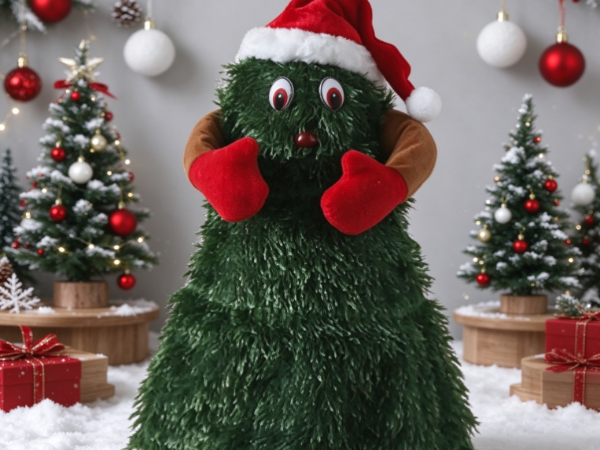
Holiday shopping habits keep changing, and decorative gifts are drawing attention for balancing personal meaning with everyday display. Santa Claus figures, snowmen, reindeer, angels and miniature winter characters all fit into a festive collection. Some hang on a Christmas tree. Others are made for shelves, tabletops or mantelpieces.
For retailers, gift buyers and product designers, these decorations offer several ways to build appealing seasonal collections. Shapes, materials, themes and packaging adapt to different occasions and customer preferences. Knowing what makes figurines good gifts also explains their role in seasonal retail.
Why Do Figurine Christmas Tree Decorations Make Meaningful Gifts?
A meaningful gift doesn't have to be large or expensive. Its value usually comes from the link between the object and the person receiving it. Figurine Christmas tree decorations express that link through familiar characters, seasonal symbols and personal interests.
A Santa Claus figurine recalls childhood Christmas celebrations. A snowman brings back winter holiday memories, and a reindeer appeals to someone who loves traditional Christmas imagery. These associations make decorative figures feel more personal than generic seasonal accessories.
Their compact size suits many gifting situations. They go into a holiday gift basket, get swapped among colleagues, reach family members or serve as small tokens of appreciation. Some designs work as single gifts. Coordinated collections let buyers build a fuller presentation.
Each figurine's visual character adds another layer. Expressions, clothing, poses and small accessories carry different moods. A cheerful character suits a casual gift, while a detailed angel or classic winter figure appeals to someone who likes traditional decorations.
Personalization strengthens the connection. Names, decorative messages or motifs tied to a recipient's hobbies turn a seasonal ornament into a keepsake. Even without custom details, a carefully chosen character shows the giver thought about the recipient's tastes.
For gift retailers, this emotional pull opens the door to organizing products around relationships and interests, not just color or material. Collections are arranged for family gifting, children's decorations, collectors or fans of particular Christmas themes.
Which Figurine Themes Appeal to Different Gift Recipients?
A figurine's theme often decides how easily it fits into a gift collection. Familiar Christmas characters have broad seasonal appeal. Distinctive designs attract people with specific interests.
Santa Claus and classic Christmas characters
Santa Claus is still the most recognizable symbol of the season. Figurines of Santa carrying presents, reading a list or standing beside a miniature tree suit traditional gift collections.
Reindeer, elves and snowmen are just as flexible. Their familiar shapes slot easily into different decorative settings. Present them individually or group them into a coordinated scene that tells a small seasonal story.
Winter animals and nature-inspired figures
Owls, foxes, birds and deer bring a softer, nature-inspired quality to Christmas decorations. These designs appeal to recipients who prefer woodland themes or neutral home interiors.
Natural colors, textured surfaces and simple forms help such figurines fit winter displays beyond a traditional red-and-green scheme. Some pieces stay in the home's seasonal decor after the holiday passes.
Angels and traditional symbolic figures
Angels and other symbolic figures tie in with family traditions, reflection and seasonal customs. Styles run from simple silhouettes to detailed figures with delicate accessories.
These pieces suit recipients who value traditional holiday displays. Buyers should think about individual preferences. No symbol suits everyone.
Whimsical and character-based designs
Playful figures open another direction for gift collections. Characters in winter clothing, holding tiny gifts or playing with miniature holiday objects create a lighthearted display.
These designs appeal to families and collectors who enjoy expressive decorations. Distinctive poses and details also make them conversation pieces on a shelf or tabletop.
A varied collection doesn't need every theme. A clear design direction keeps the pieces connected. A woodland collection, for example, features deer, owls and snow-covered trees, while a traditional one combines Santa Claus, reindeer and gift-bearing elves.
How Do Materials and Craft Details Influence Gift Appeal?
Material shapes both the look of a figurine and the experience of receiving it. It affects weight, surface texture, level of detail and the care needed in storage. These qualities help buyers pick gifts that suit different preferences and display environments.
Ceramic figurines often have painted details, glazed surfaces or a smooth finish. They support designs with expressive faces and carefully defined clothing. Depending on construction, they need protective packaging to lower the risk of damage in transport.
Resin figures handle varied shapes and decorative details. They depict complex scenes, layered clothing or small accessories. Whether they suit a gift collection depends on the finish, the stability of the figure and the care taken with fragile protruding parts.
Wooden figurines have a different visual character. Visible grain, carved shapes and painted details give a warm, handcrafted look. They work well in rustic, Scandinavian-inspired or nature-themed gift collections.
Fabric and felt figures bring softness and an informal style. Stitched features, embroidered patterns and layered textiles make a character feel distinctive. They also complement collections that pair ornaments with other textile gifts.
Glass figurines offer delicate color effects and reflective surfaces. Their look suits collectors who enjoy intricate decorative objects, though handling and packaging need particular attention.
The table below shows how common materials fit different gift collection styles.
| Material | Appearance and Texture | Suitable Gift Collection Styles |
|---|---|---|
| Ceramic | Smooth surfaces, glazed finishes, and painted details | Traditional Christmas figures and decorative keepsakes |
| Resin | Detailed shapes, varied finishes, and expressive character designs | Themed collections and miniature holiday scenes |
| Wood | Natural grain, carved forms, and warm visual tones | Rustic, farmhouse, and nature-inspired decorations |
| Fabric and felt | Soft surfaces, stitched details, and a handcrafted appearance | Whimsical characters and casual holiday gifts |
| Glass | Reflective surfaces, translucent colors, and delicate decorative effects | Elegant displays and collector-oriented gift collections |
Material also decides how a figurine is handled, packaged and stored. Ceramic and glass pieces need extra protection, while fabric decorations add softness to a collection. Wooden figures give a natural look, and resin designs hold intricate character details.
Craft details shape how a gift is perceived in any material. Neatly finished edges, balanced proportions, consistent paint and secure attachments make a figurine feel thoughtfully made. Small touches such as a scarf, a miniature present or a textured hat give a familiar character its own identity.
For retailers and buyers, material selection is more than a design decision. It touches gift presentation, shipping needs, storage and the settings where the decoration is enjoyed.
Can Figurine Christmas Tree Decorations Suit Different Home Styles?
A decorative gift is easier to appreciate when it fits the recipient's home. Figurine Christmas tree decorations are flexible because they come in many colors, shapes and visual styles.
Traditional interiors
Traditional rooms handle classic characters, rich colors, gold accents and detailed finishes. Santa Claus figures, angels and reindeer complement existing Christmas decorations without a major change to the room.
Modern interiors
Modern spaces favor simplified shapes, restrained colors and uncluttered displays. A minimalist snowman, a monochrome animal figure or a simple geometric character sits well beside contemporary furniture and understated accessories.
Rustic and farmhouse interiors
Rustic spaces feature natural wood, woven textures, greenery and earthy colors. Wooden reindeer, fabric snowmen and woodland animals relate naturally to these materials. Slight variations in surface texture help create a relaxed, informal display.
Small living spaces
In smaller homes, compact figurines add seasonal character without taking much room. Put them on a bookshelf, desk, windowsill or side table. Hanging pieces slip into existing tree arrangements with no separate display area.
Versatility matters when you don't know the recipient's decorating taste. Neutral colors and familiar themes are easier to work into different interiors. A distinctive character means more when the buyer knows the recipient enjoys a particular style.
Some figurines are made mainly for Christmas trees. Others stand on their own. Check the intended display method so the decoration suits the recipient's space.
This flexibility makes figurines a good fit for gift collections that mix different decorative products. A hanging ornament paired with a tabletop figure makes a small arrangement with more than one way to display it.
What Makes Collectible Figurines Attractive as Long-Term Keepsakes?
Some Christmas decorations last a single season. Others slowly become part of a family's holiday traditions. Figurines support that longer relationship because each character carries a memory or marks a meaningful moment.
A family might add a new figurine every Christmas. Over time, the collection reflects changes in family life, favorite travel destinations, shared interests or childhood memories. The pieces don't have to match. Their connection comes from the stories attached to them.
Collectors are drawn to figurines with distinctive themes, expressive designs or recognizable decorative styles. A collection built around winter animals, traditional characters or miniature holiday scenes grows gradually as new pieces arrive.
Consistent design keeps a collection connected. Similar color palettes, recurring motifs or related character styles let different figurines sit together comfortably. Small differences between pieces keep each addition distinct.
Packaging adds to the keepsake experience. A protective box preserves the decoration when it's not on display, and a simple label or card records the character's name or the occasion it was given. These details help most when the item is meant to join a recurring family tradition.
Don't overlook care. Fragile materials need separate wrapping, and fabric pieces need protection from dust and moisture. Clear storage guidance helps recipients look after their decorations between seasons.
Gift buyers shouldn't assume every figurine will gain collectible value. Personal meaning, decorative appeal and fit for the recipient are far more reliable guides than hopes about future monetary worth.
How Can Retailers Build Figurine Christmas Tree Gift Collections?
A retail gift collection needs to give customers a clear reason to choose one group of products over another. Figurine Christmas tree decorations are organized around themes, recipient types, materials or presentation styles.
Create collections around recognizable themes. Traditional Christmas characters, woodland animals, winter scenes and whimsical figures each give a clear visual direction. A focused theme shows customers how products relate and makes it easier to pick several pieces as a gift.
Offer different decorative styles. Customers have different tastes. Some favor classic painted figurines. Others like minimalist forms, natural materials or playful character designs. A range of styles serves different tastes without making every collection visually unrelated.
Consider gifting occasions. Group products for family exchanges, host gifts, office celebrations or collector-oriented purchases. The presentation should reflect the intended use without implying a figurine suits every recipient.
Pay attention to packaging. Gift-ready presentation makes a small decorative object easier to give. Protective inserts, clear product information and packaging that echoes the collection's theme improve the experience. Choose materials with transport and storage in mind.
Explain the product clearly. Descriptions should name the figure's material, intended display method, decorative features and care needs where relevant. Photographs from different angles show the ornament and give a sense of scale in a home. Accurate information lets buyers decide based on the real product, not assumptions.
Retail displays also show how figurines work together. A small scene with related characters helps shoppers picture the pieces in their own homes. Arranging decorations by color or material makes comparison easier.
For wholesale buyers, coordination across a collection deserves as much thought as individual product appeal. Related designs support gift sets, seasonal displays and complementary assortments. Packaging dimensions, product protection and consistent presentation also influence purchasing decisions.
What Should Buyers Consider Before Choosing Figurine Christmas Tree Decorations as Gifts?
A good gift depends on the recipient, the intended setting and the character of the decoration. Buyers choose better by looking past a figure's first impression.
The recipient's interests are the natural starting point. Someone who enjoys traditional Christmas scenes will appreciate Santa Claus or reindeer figures, while a nature lover leans toward woodland animals. A collector looks for distinctive details or a design that relates to an existing collection.
The display method matters too. Hanging ornaments suit Christmas trees and decorative branches. Freestanding figurines sit on shelves, desks or mantelpieces. If the recipient has limited space, compact designs are easier to place.
Pay attention to material and care, especially when gifts travel long distances. Fragile figures need suitable protective packaging, and pieces with delicate accessories need careful handling. Product descriptions should make these traits clear.
Color is another practical point. Decorations that relate to the recipient's existing home palette are easier to display, though a contrasting color works when the recipient enjoys expressive seasonal decor.
Think about whether the figurine goes out alone or as part of a collection. A single distinctive piece suits a small exchange, while coordinated figures make a more substantial gift arrangement. Pairing a figurine with a complementary decoration, greeting card or seasonal accessory adds context without pulling attention from the main item.
For retailers, designers and gift buyers, the relationship between theme, material, presentation and personal meaning gives a practical way to assess figurine Christmas tree decorations. These factors shape gift collections that suit different tastes, display preferences and holiday traditions.
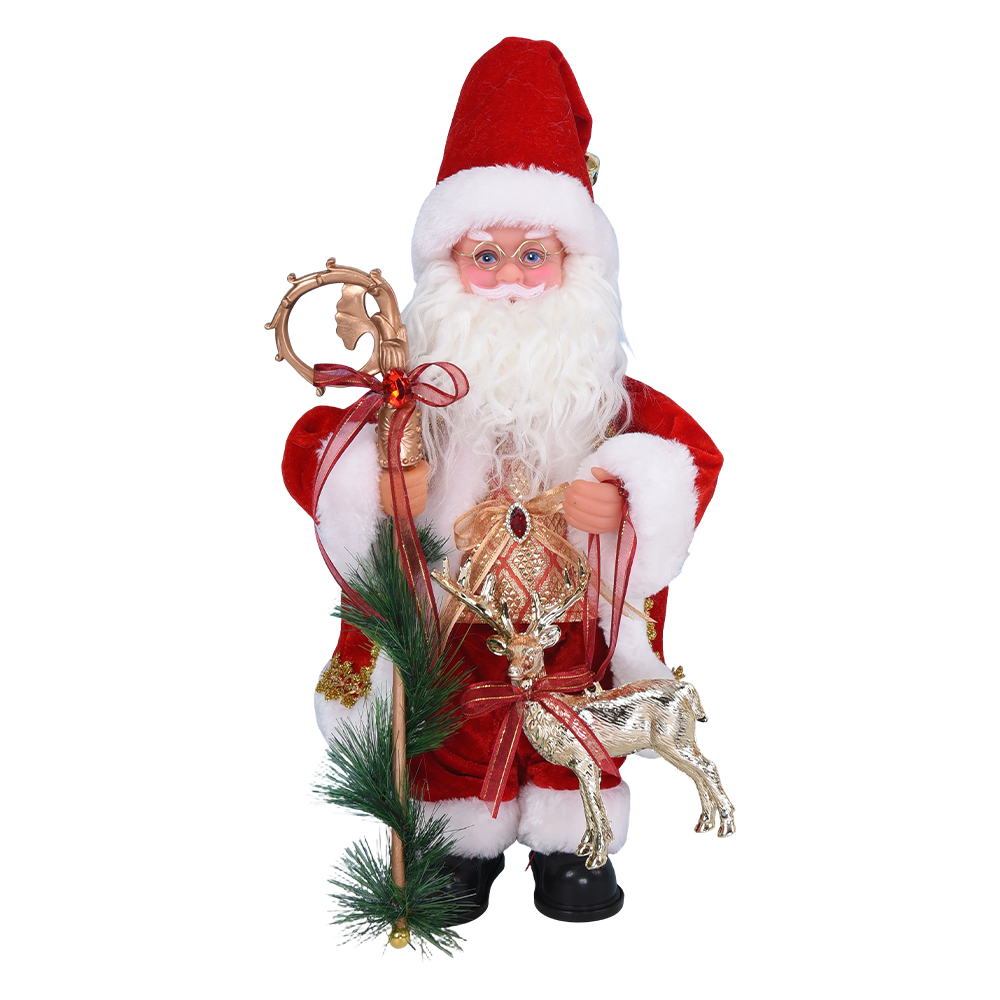
- Standing Santa Claus Figurine
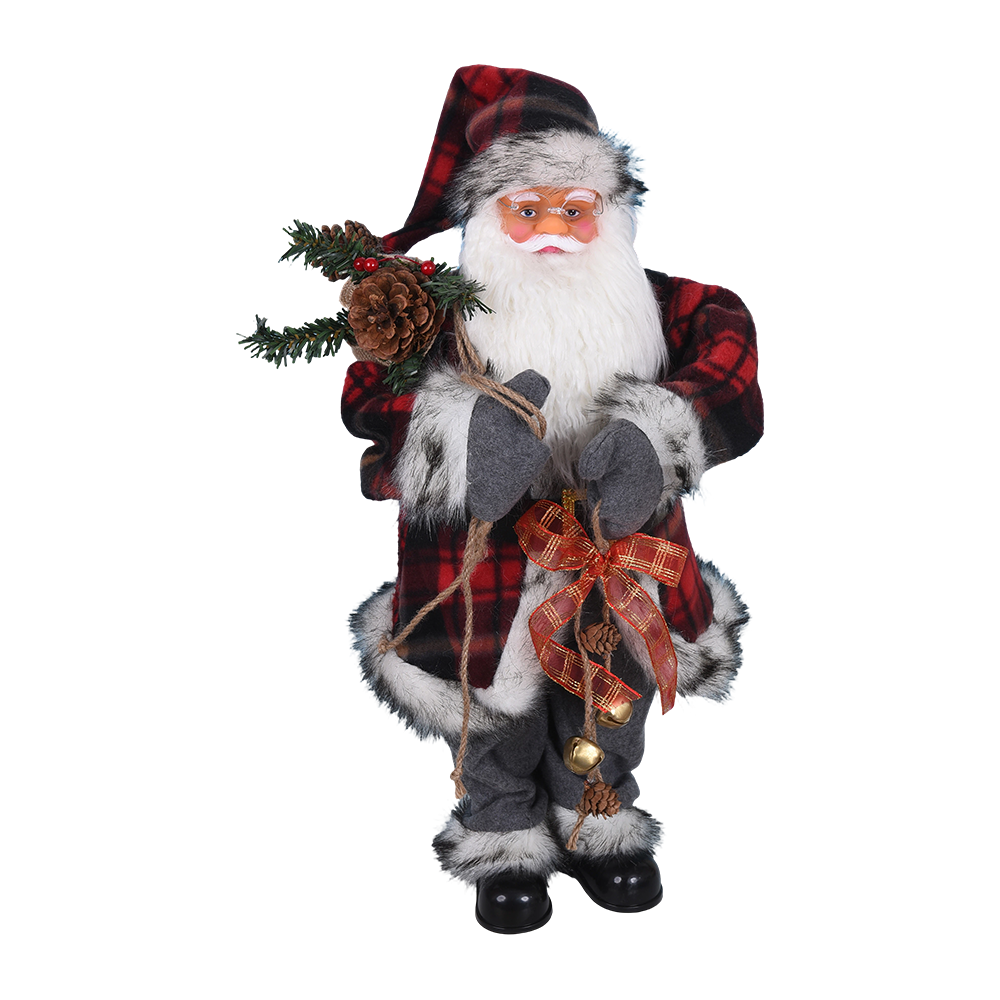
- Rustic-Style Santa Claus Figurine
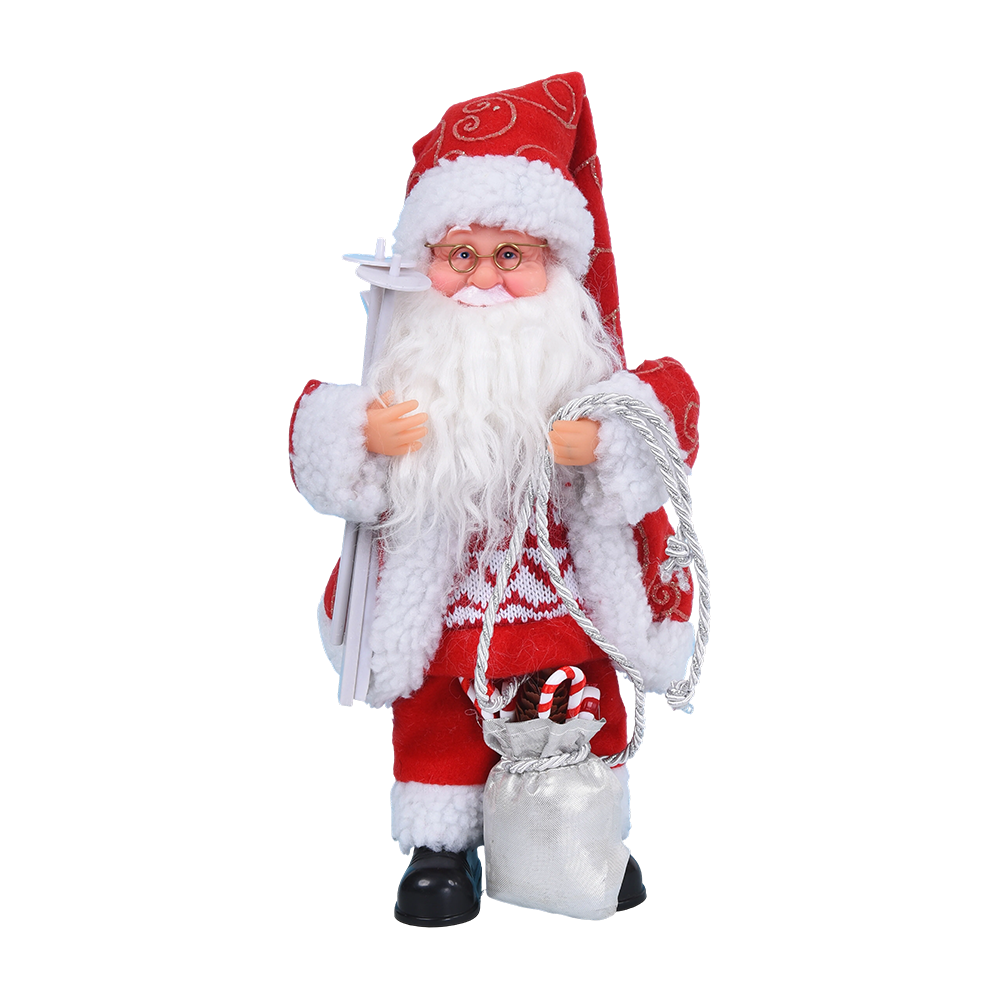
- Skiing Santa Claus Figurine
- Climbing And Hanging Santa Claus
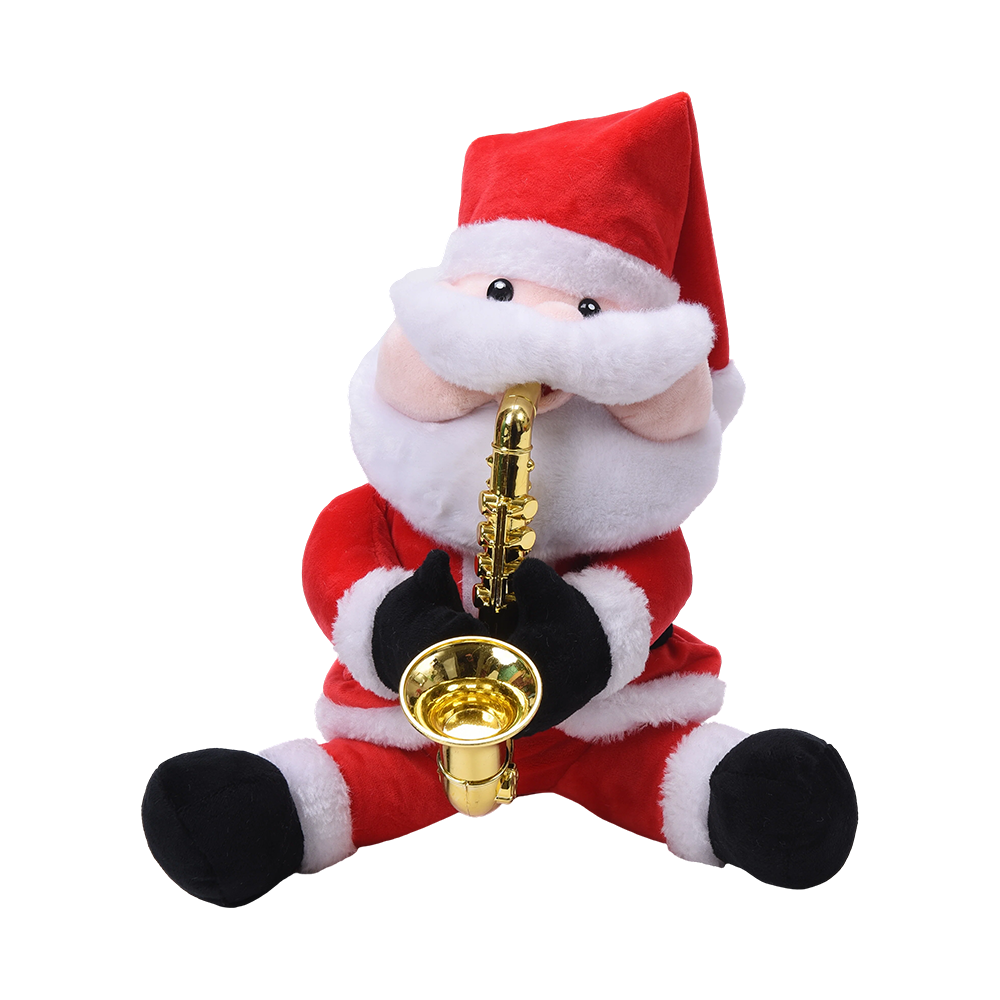
- Electric Musical Santa Claus
- Santa Claus Figurine With A Creative Scene
- Christmas Figurines
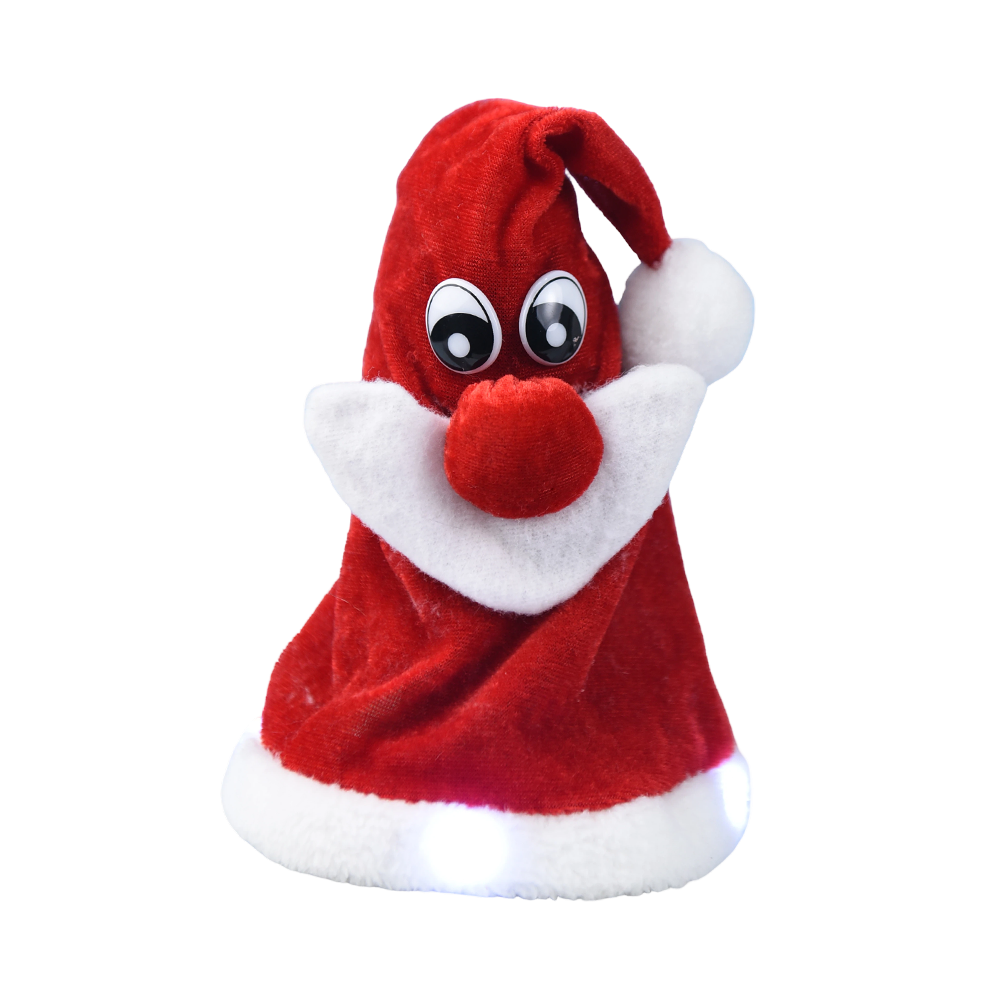
- Santa Hat
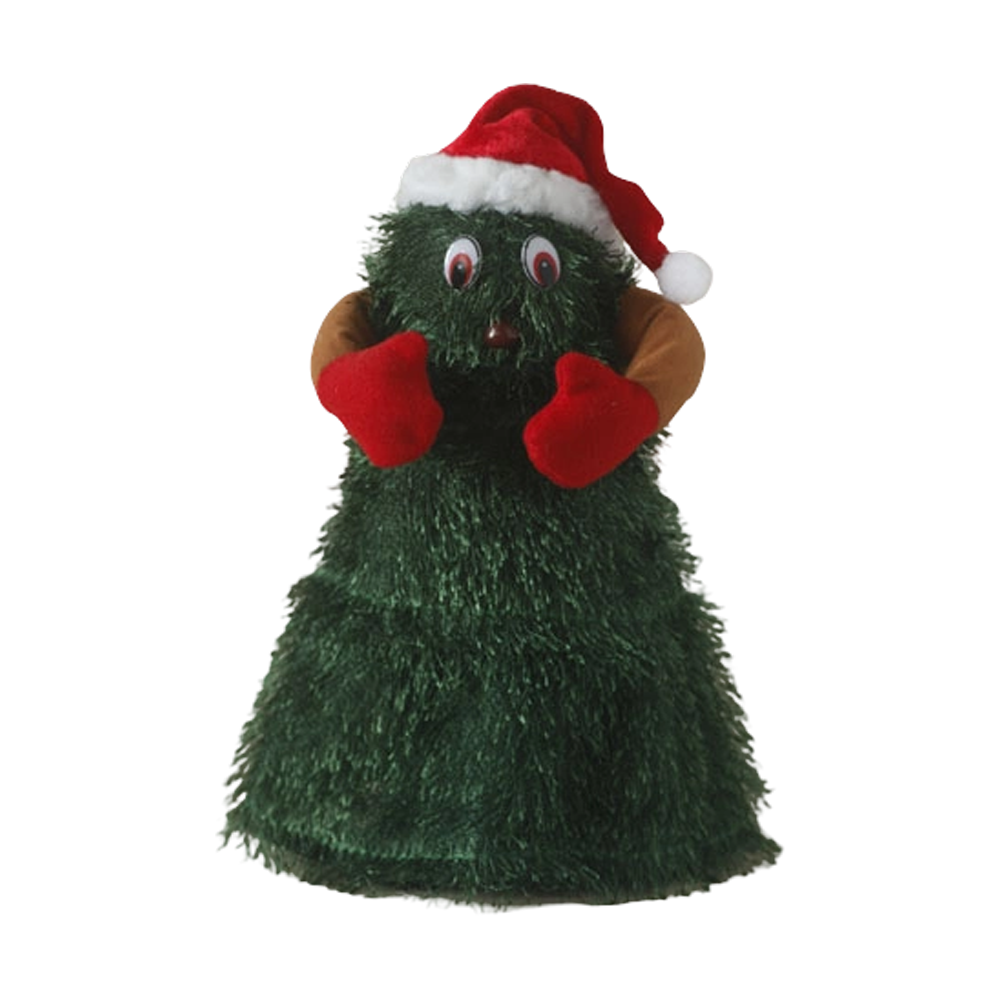
- Tabletop Christmas Tree Ornament
- Christmas Snowman Decorative Figurine
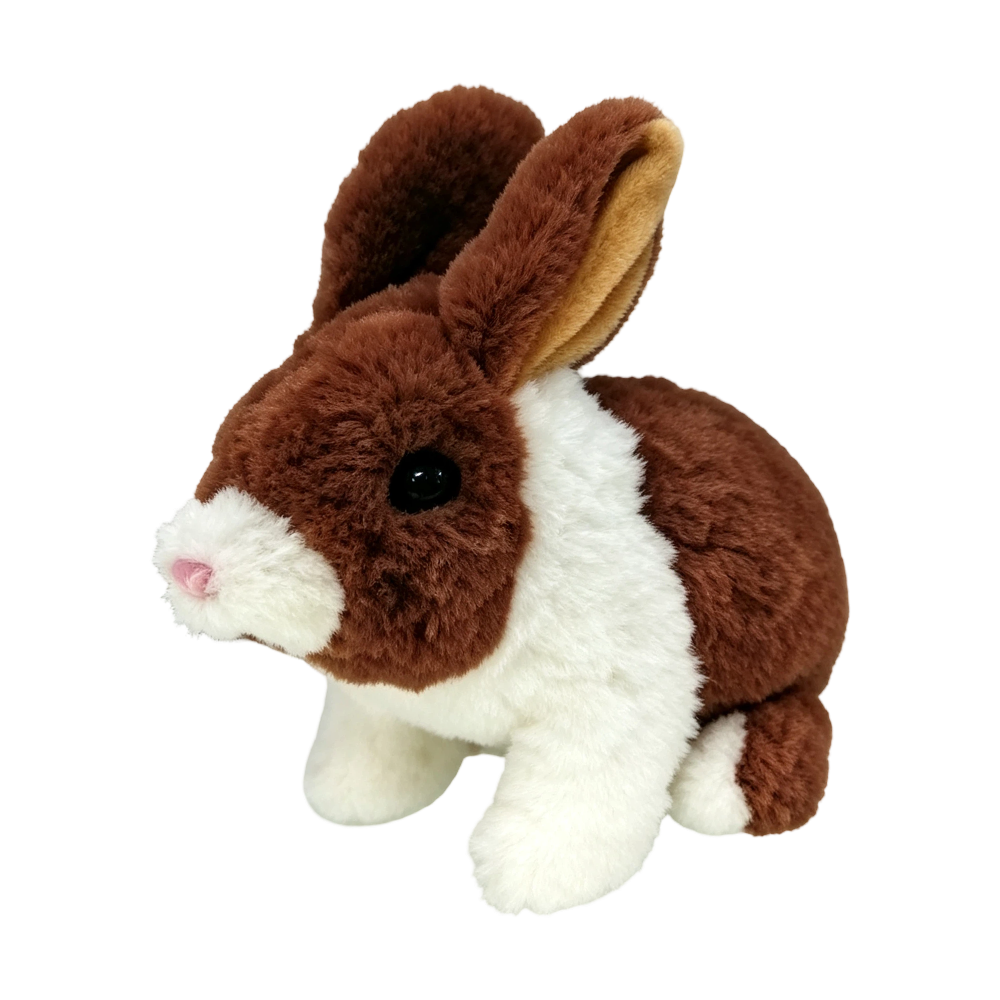
- Rabbit Plush Toys
- Dog Plush Toys
- Cat Plush Toys
- Small Animal Plush Toys
- +86-13505800852
- ydxtoys1@163.com
- 2nd Floor, Building 1, No.8 Dongfa Road, Daidong Industrial Zone, Daishan, Zhoushan City, Zhejiang Province, China
